Love the idea of waking up to fairway views and sunsets over the Front Range? You are not alone. Many buyers look to Castle Pines North for a quiet, amenity-rich setting that still keeps you connected to Denver. In this guide, you will learn how golf-course living here really works, from HOA rules and club options to environmental risks, resale value, and the smart steps to take before you buy. Let’s dive in.
Why Castle Pines North
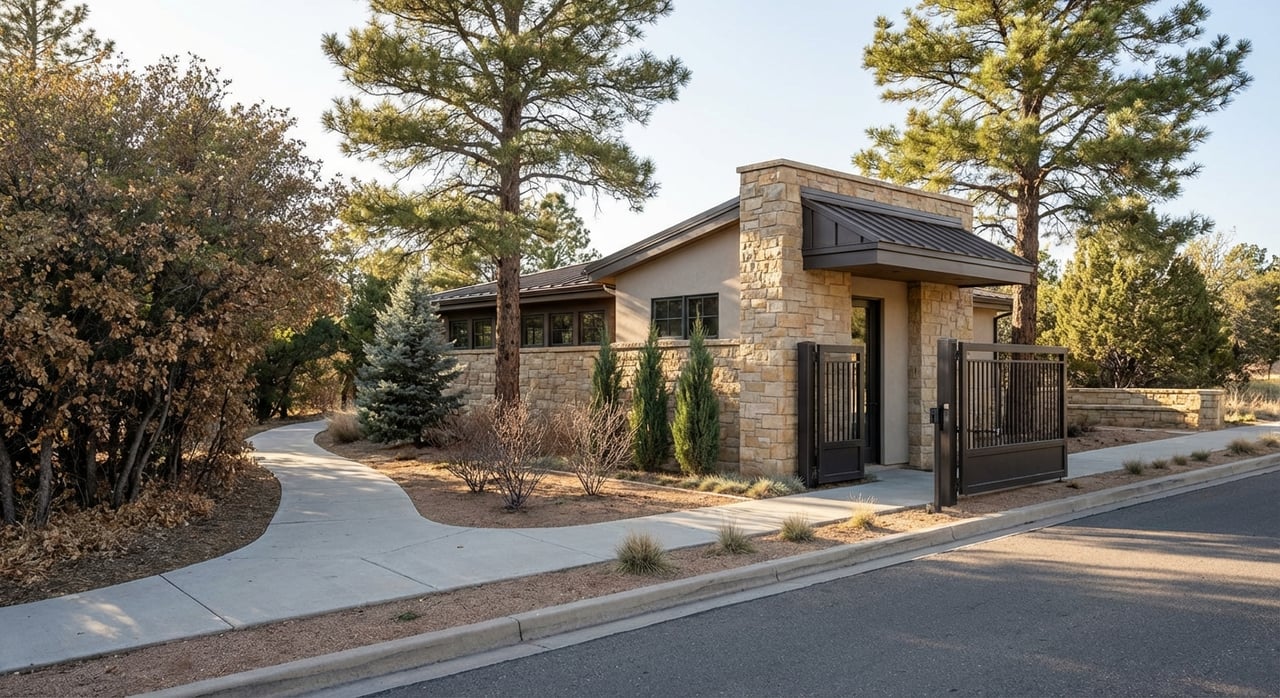
Castle Pines North sits south of Denver along the I-25 and C-470 corridor. Commute times to central Denver typically range from 25 to 50 minutes depending on traffic and where you start and finish. You are also close to shopping and services in Castle Pines, Parker, Lone Tree, and Castle Rock, which makes day-to-day errands simple.
This area attracts move-up buyers who want larger homes with views and outdoor spaces. It also appeals to second-home shoppers who want a low-maintenance retreat with quick access to recreation. If you value a calm, green backdrop and proximity to trails and club amenities, this community checks a lot of boxes.
Home types and lot features
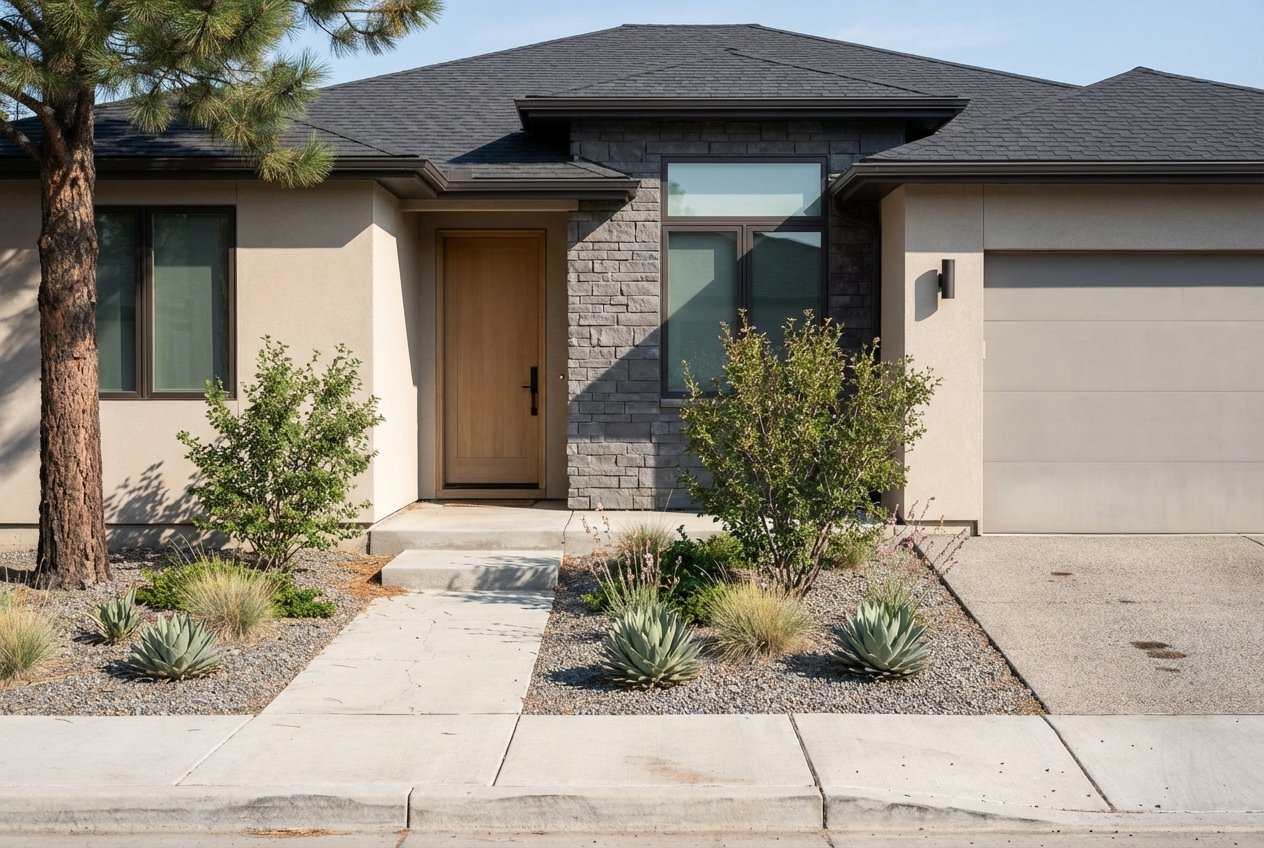
Most golf-adjacent homes here are mid- to upper-end single-family properties. You will see ranch plans, traditional two-stories, and some larger custom builds. Infill or newer spec homes may sit near established homes, so styles and ages can vary from street to street.
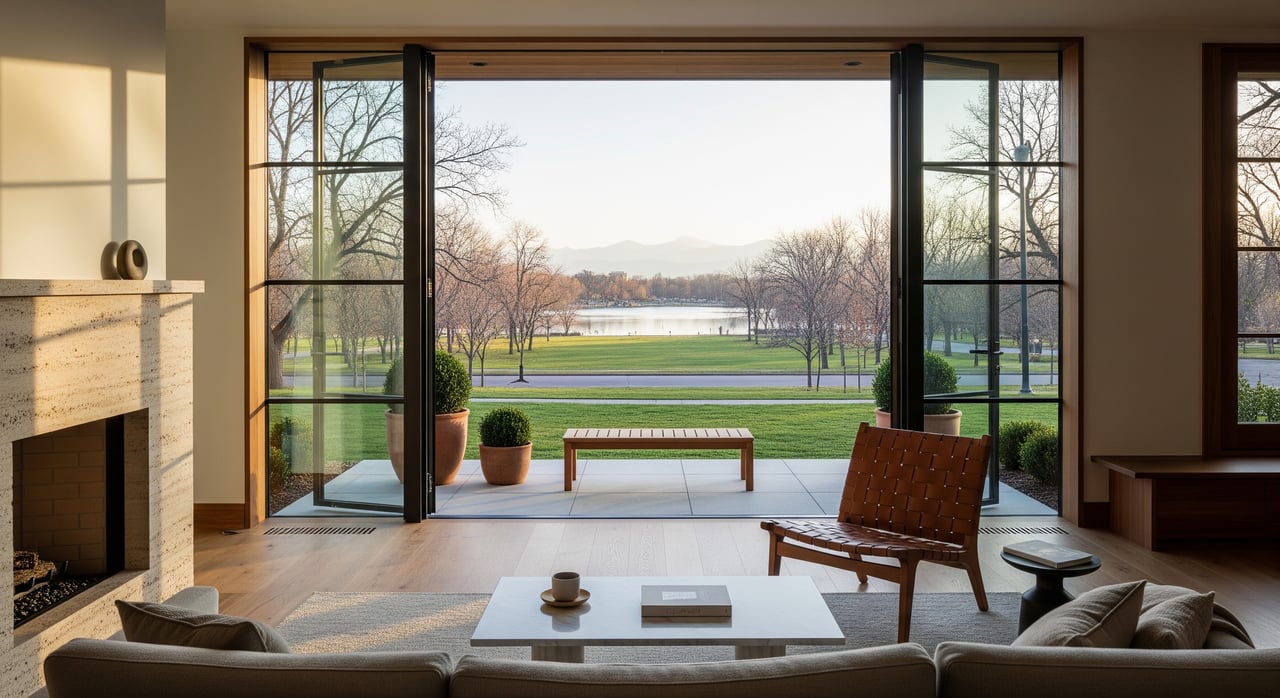
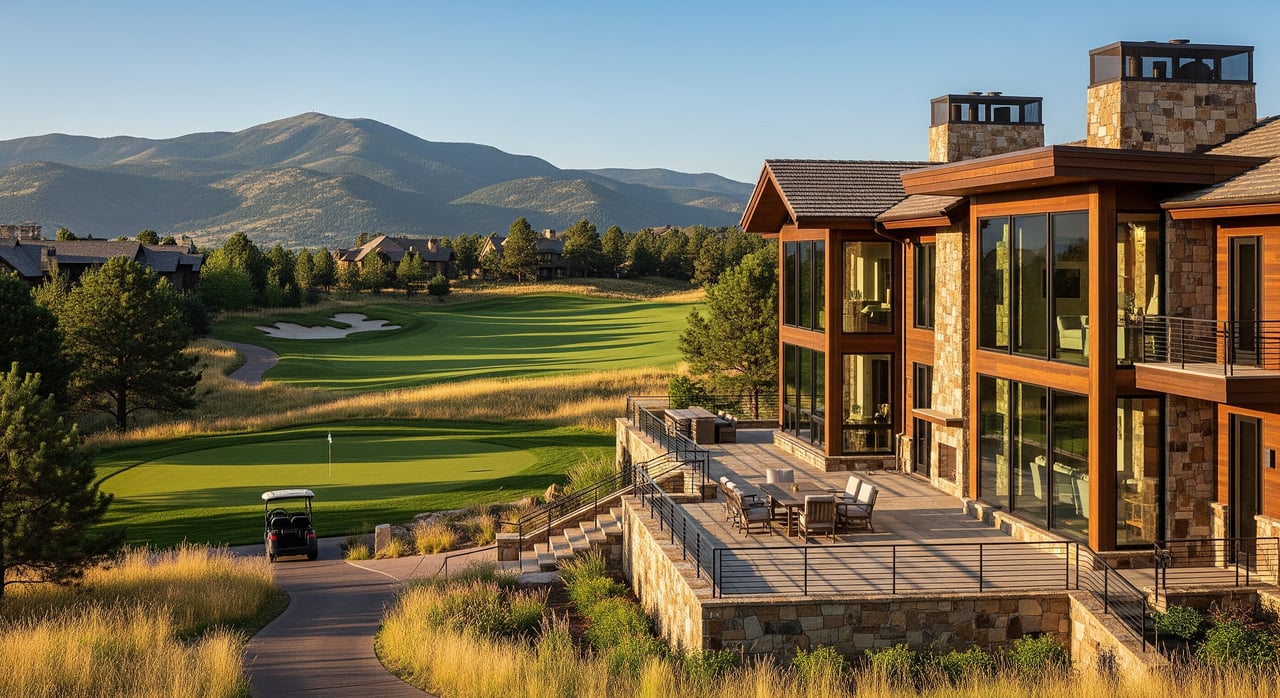
Lot sizes range from modest suburban parcels to larger estate lots. Golf-side properties often have elongated shapes that back to fairways or greens. Many homes are sited for fairway and Front Range views, with patios and big windows facing the course.
Easements and buffers to know
- Golf easements can cross private lots for cart paths or maintenance access. These can limit where you place fences, trees, or structures.
- Utility and drainage easements are common. Swales and retention areas tied to course stormwater can affect your buildable area and privacy.
- Setbacks and vegetation buffers are often required by CC&Rs for safety, maintenance, and aesthetics.
Landscaping and maintenance
HOA or metro-district services often cover common-area turf, street trees, and entry landscaping. Your individual lot landscaping and irrigation are usually your responsibility unless a master landscape program exists. Since golf courses are high-water-use, consider irrigation overspray and ask about pesticide or herbicide schedules if you have pets or children.
HOA, CC&Rs, and approvals
HOA fees vary by neighborhood and what they cover. In some areas, dues include common-area care, private road upkeep, and snow removal. Club membership fees, if you choose to join a private club, are typically separate.
CC&Rs often set architectural guidelines, exterior materials and colors, fence and landscape rules, and parking restrictions for RVs or boats. They may also include short-term rental rules. Colorado’s Common Interest Ownership Act sets a legal framework for HOA operations, and most exterior changes go through an architectural review with a defined approval process.
Club life vs. course adjacency
Living on or near a course does not always mean club access. Some courses are private and require membership for golf and amenities. Others may be public or have a different access model. Membership structures, guest policies, and fees vary, and initiation costs can be significant. Always confirm whether membership is required or optional for residents and what is included.
Environmental and health considerations
Water use and restrictions matter in golf communities. Ask about the course’s irrigation source and any local water rules that could affect your landscaping plans. If you are sensitive to chemicals, request the course’s pesticide and herbicide schedule along with safety protocols.
Castle Pines sits in a wildland-urban interface with pine stands, so wildfire preparedness is essential. Review defensible space around the home, fire-resistant materials, and local mitigation programs. If a lot sits near a retention pond or in a low area, evaluate flood and drainage risk and confirm with relevant maps and designations.
Practical on-site checks
- Look for golf-ball strikes or repairs on roofs, siding, gutters, and windows facing the course.
- Review the condition of buffers, fencing, or netting between the yard and fairway.
- Observe slope and drainage patterns, and watch for signs of standing water after storms.
- Confirm that irrigation systems are functioning and whether potable and reclaimed lines are separate.
- Visit at different times to gauge noise from maintenance, ranges, or events and to notice cart-path traffic.
Insurance and liability
Before you write an offer, get insurance quotes that address golf-course adjacency. Ask specifically about coverage for errant ball damage and any exclusions related to wildfire. Some owners also add umbrella liability coverage, especially if they entertain outdoors near playing areas. Your lender may ask for more detail on easements, drainage, or flood status, so gather this early.
Market and resale dynamics
Homes with direct fairway or green views often command a price premium over similar non-golf lots. The size of that premium depends on lot quality, view corridors, and the prestige and access model of the course. Because the buyer pool for golf adjacency can be narrower, performance may differ from the broader market during slowdowns.
Second-home buyers often prefer low-maintenance homes near amenities. At the same time, CC&Rs may limit short-term rentals, which impacts income potential. Strong views, lot size, and curb appeal tend to support resale value, while highly unique customizations can narrow your future audience.
Budgeting for total ownership
Create a full-year ownership plan that includes mortgage principal and interest, property taxes, homeowner’s insurance, HOA dues, any special assessments, landscaping and irrigation, and optional club fees. Add routine exterior upkeep to maintain community standards. Compare this net cost with non-golf alternatives so you can decide if the lifestyle premium is worth it for you.
Schools and community services
Properties in Castle Pines North are served by Douglas County School District. School assignments vary by address and can change, so verify boundaries and enrollment policies with the district. Police, fire, water, sewer, and related services are provided by Douglas County and local special or metro districts that may differ by neighborhood.
Your due-diligence checklist
Gather these items early in your search so you can act quickly when the right home appears.
Documents and verifications
- Full HOA packet: budget, reserve study, recent minutes, CC&Rs, architectural guidelines, rules, insurance certificates, and assessment history.
- Club information: membership types, initiation fees, monthly or annual dues, transferability, and guest policies.
- Title and plat: identify cart-path, maintenance, utility, or drainage easements and any rights-of-way.
- Flood and drainage: confirm FEMA designations and county maps. Note proximity to retention basins or swales.
- Pesticide and fertilizer practices: request application schedules and notice procedures.
- Water details: irrigation source for the course and any local restrictions.
- Wildfire status: defensible-space condition, mitigation requirements, and any local fire authority guidance.
- Insurance quotes: include questions on golf-ball damage, liability exposure, and wildfire coverage.
- Recent comparable sales: compare golf-adjacent and non-golf properties to quantify any premium.
- Utility and service responsibilities: clarify sewer, water, irrigation, and snow removal obligations.
- Rental policy: confirm short-term rental rules if you plan to rent.
Site visit priorities
- Evaluate privacy from tees, fairways, and paths, and check for screening vegetation.
- Stand in outdoor living areas to test sun exposure, wind patterns, and noise at different times of day.
- Review fence and landscape rules that could affect how you shape your yard.
- Confirm setbacks and any limitations near the course boundary.
How to choose the right lot
Start with your lifestyle and risk tolerance. If you entertain outdoors, a deeper setback from the tee or green can feel more private. If you love watching play, a closer view might be worth it, balanced with protective landscaping. If you value quiet mornings, avoid proximity to driving ranges or early maintenance routes.
Think about orientation and topography too. West-facing patios capture sunsets over the Front Range but may need shading. Sloped lots can boost views yet demand careful drainage planning. The best choice blends view, privacy, and function for the way you live.
Work with a local guide
Golf-course purchases come with extra documents, timelines, and inspections. You want a team that knows the southern suburbs, tracks golf-adjacent comps, and understands HOA and club structures. A strong agent will help you parse CC&Rs, clarify membership options, build a realistic ownership budget, and negotiate based on lot quality and view.
If you are weighing Castle Pines North against other luxury suburbs, ask for a side-by-side comparison that covers commute patterns, club access models, HOA scopes, wildfire readiness, and resale dynamics. Clear comparisons help you choose the right fit with confidence.
Ready to explore fairway living with a local expert at your side? Connect with The Real Estate Experts of Denver for a focused search, smart due diligence, and contract strategies tailored to golf-course properties. Schedule a free consultation and let’s plan your next move.
FAQs
How long is the commute from Castle Pines North to central Denver?
- Typical commute times range from 25 to 50 minutes depending on traffic and your exact start and end points.
What types of homes back to the course in Castle Pines North?
- You will find mid- to upper-end single-family homes that include ranch plans, two-stories, and larger custom builds, with lots oriented for fairway and mountain views.
Are club memberships required if I buy near the course?
- Requirements vary by course and neighborhood, so you should verify whether membership is required or optional and review initiation fees, dues, and guest policies.
What HOA and CC&R rules should I expect near a golf course?
- Expect architectural guidelines, exterior and landscaping standards, parking rules, approval processes for changes, and possible short-term rental restrictions.
What environmental risks should I evaluate for a golf-adjacent home?
- Review water use and restrictions, pesticide schedules, wildfire risk and mitigation, and flood or drainage exposure near ponds or low-lying areas.
How do golf views affect resale value in Castle Pines North?
- Fairway or green views can command a price premium, but the size depends on lot quality, view corridors, and course prestige, and the buyer pool can be more specialized.