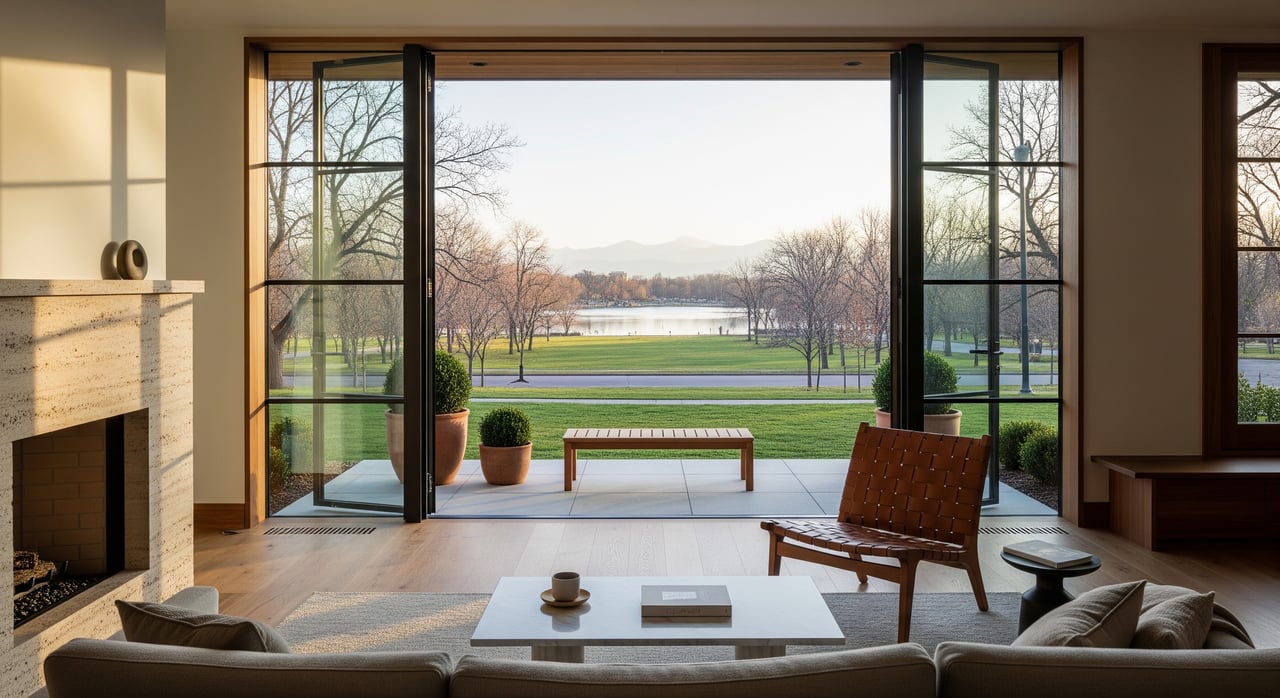
What if your morning routine started with a lap around a tree-lined lake and ended with a coffee on a sunny patio? If you’re considering Washington Park, you want a neighborhood that fits your daily life as much as your budget. In this guide, you’ll see what everyday living really looks like here, from park rhythms and nearby conveniences to housing styles and practical tips for buyers and sellers. Let’s dive in.
Washington Park rhythm
Washington Park is the heart of the neighborhood. You see runners, walkers, and dog owners on the paths most mornings. Midday brings stroller walks and quick coffee runs. Evenings often shift to casual dinners and pickup games at the courts and fields.
Weekends feel like a reset. You’ll notice longer park visits, family picnics, and small community meetups. The vibe is relaxed and social. Everyday life here revolves around being outdoors, staying active, and enjoying simple routines.
Park amenities at your door
Washington Park offers multi-use trails, open lawns, sport courts and fields, playgrounds, formal gardens, and water features. You can build a full week of exercise and downtime without leaving the neighborhood. It is common to see interval training on the loops, yoga in the grass, or youth sports on the fields.
- Spring: blooming gardens and more runners and walkers.
- Summer: early and late workouts to avoid heat, plus picnics and family time.
- Fall: cooler air, vibrant foliage, and steady use by runners and cyclists.
- Winter: quieter paths with walkers and cross-training athletes when conditions allow.
If you plan daily runs, consider testing a few loops to find the right distance and crowd level for your pace. Peak usage tends to align with early mornings and weekend mid-mornings.
Walkability and nearby conveniences
Wash Park is primarily residential, but you are close to neighborhood cafes, casual restaurants, boutique retail, and small markets. Many errands are a short walk or bike ride. Larger grocery stores and shopping districts are a quick drive or transit trip away.
Families often appreciate the easy access to playgrounds, after-school activities, and community recreation programs. If you rely on deliveries, narrow streets and mature trees add charm, and they also make it helpful to plan for package drop-off spots and clear house numbering.
Getting around: bike, bus, light rail
Living near the city center gives you flexible commute options. Many residents mix modes. You might bike to a light rail station, take a bus, or drive depending on your schedule. Streets with bike lanes and calm neighborhood routes make cycling a practical choice for short trips.
If transit is part of your routine, review nearby bus lines and light rail connections. Schedules and routes change, so check the latest system maps before you commit to a specific plan. For many, the commute is shorter than suburban trips, especially outside of peak traffic.
Housing styles and streetscapes
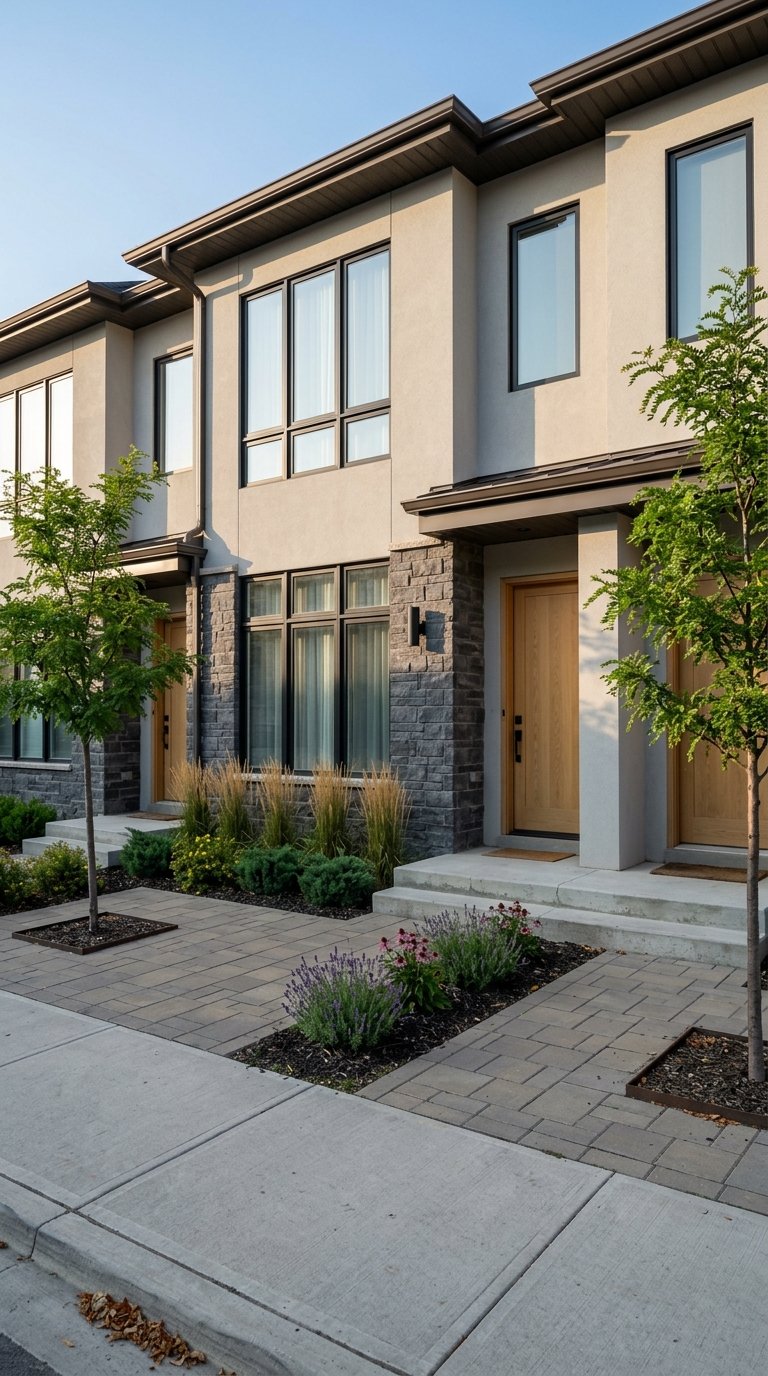
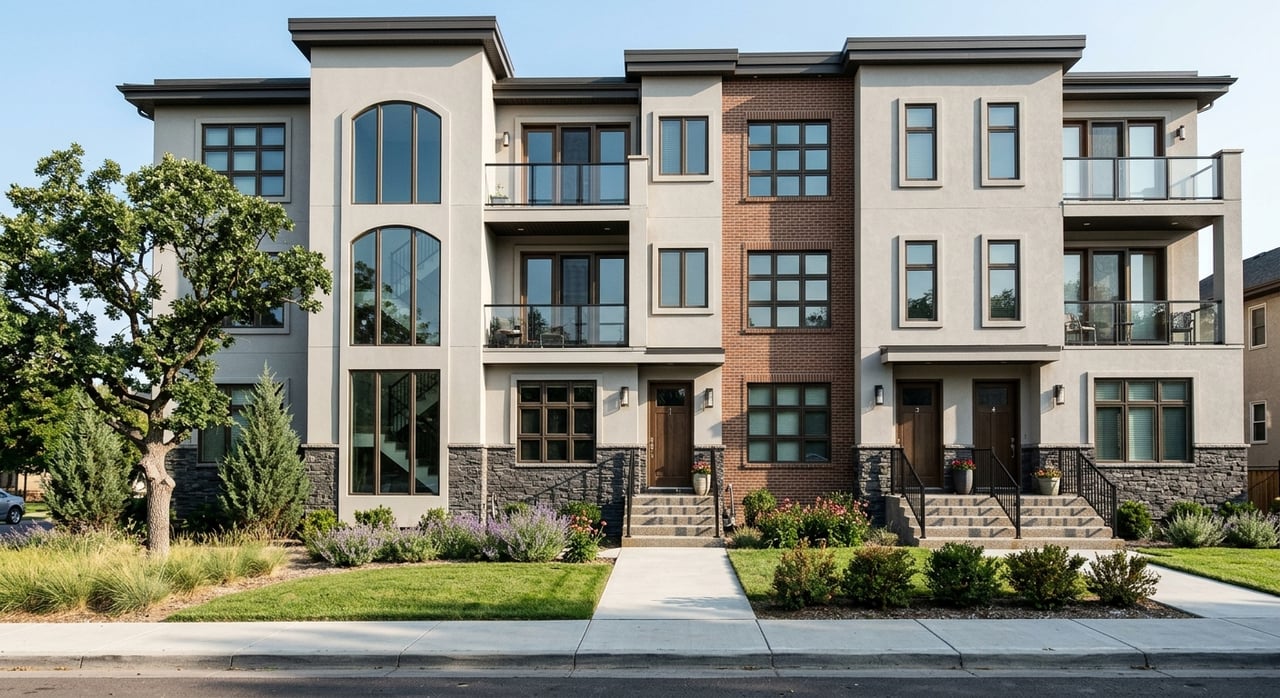
You’ll find a blend of historic single-family homes, early-20th-century brick bungalows, foursquare and craftsman styles, plus some duplexes and low-rise condos. Infill and new construction appear on select lots, creating a mix of old and new. Mature trees and consistent setbacks tie many blocks together.
If you love character, older homes offer period details and inviting front porches. If low maintenance is your priority, newer builds and select condos provide modern systems and efficient layouts. The right fit depends on how you live day to day.
Weekdays by household type
Single professional
- Morning: quick jog around the park, coffee, then bike or transit to work.
- Lunch: neighborhood sandwich or salad spot, or a walk through the gardens.
- Evening: fitness class or social hour, then a relaxed dinner nearby.
Family with young kids
- Morning: stroller loop and playground time before school and work.
- Afternoon: school pickup, snacks, and park-side play.
- Evening: simple dinner, bike ride, or a stop at the courts for a few games.
Empty nester or retiree
- Morning: leisurely walk, gardening, or a coffee meetup.
- Afternoon: errands by bike and a quiet read by the water.
- Evening: neighborhood dining or a community meeting.
Seasonal living in motion
Life here follows the seasons. In spring, the neighborhood wakes up with flowers and more activity. Summer pushes workouts to early and late hours while afternoons are for shade and picnics. Fall brings crisp air that keeps runners and cyclists steady on the paths. Winter trims crowds, yet the park still draws walkers and dedicated athletes on clear days.
If you enjoy variety, you will appreciate how the park and nearby businesses adapt. A morning yoga series in summer might become a small-group indoor class in winter. Your routine stays active year-round.
Practical tips for buyers
Wash Park is a high-demand in-town neighborhood. Homes often move quickly, and pricing varies by property type and condition. Because market conditions change, it helps to review current data before you write an offer.
Consider these practical checks as you tour:
- Parking plan: understand street parking rules, permit zones, and peak times near park entrances.
- Noise and traffic: visit during early mornings and weekends to gauge activity.
- Renovation scope: older homes can have historic or permitting considerations. Review city guidelines before planning major work.
- Storage and gear: if you run, bike, or ski, look for usable storage and entry spaces for equipment.
- Seasonal care: confirm snow removal needs, gutter health, and tree maintenance.
For sellers: present the park lifestyle
Selling in Wash Park is about more than square footage. Buyers picture their daily routine. Help them see it.
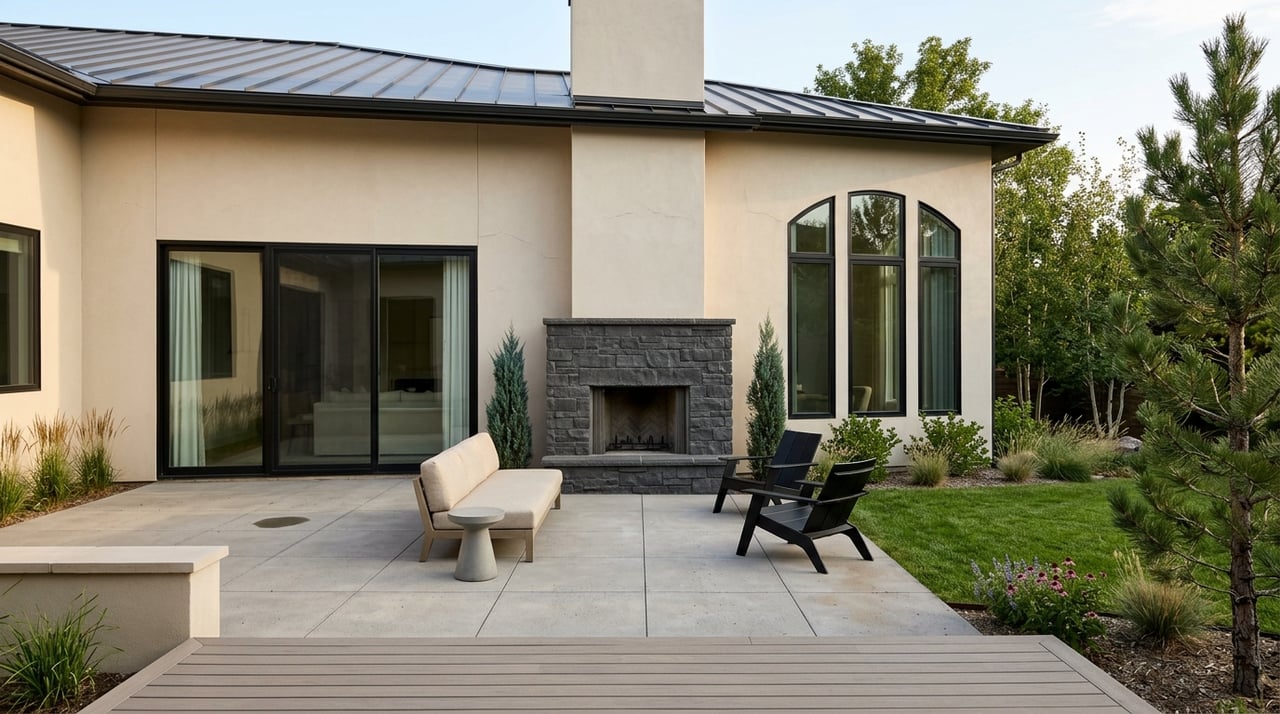
- Highlight outdoor access: show how your layout supports park days, workouts, and casual entertaining.
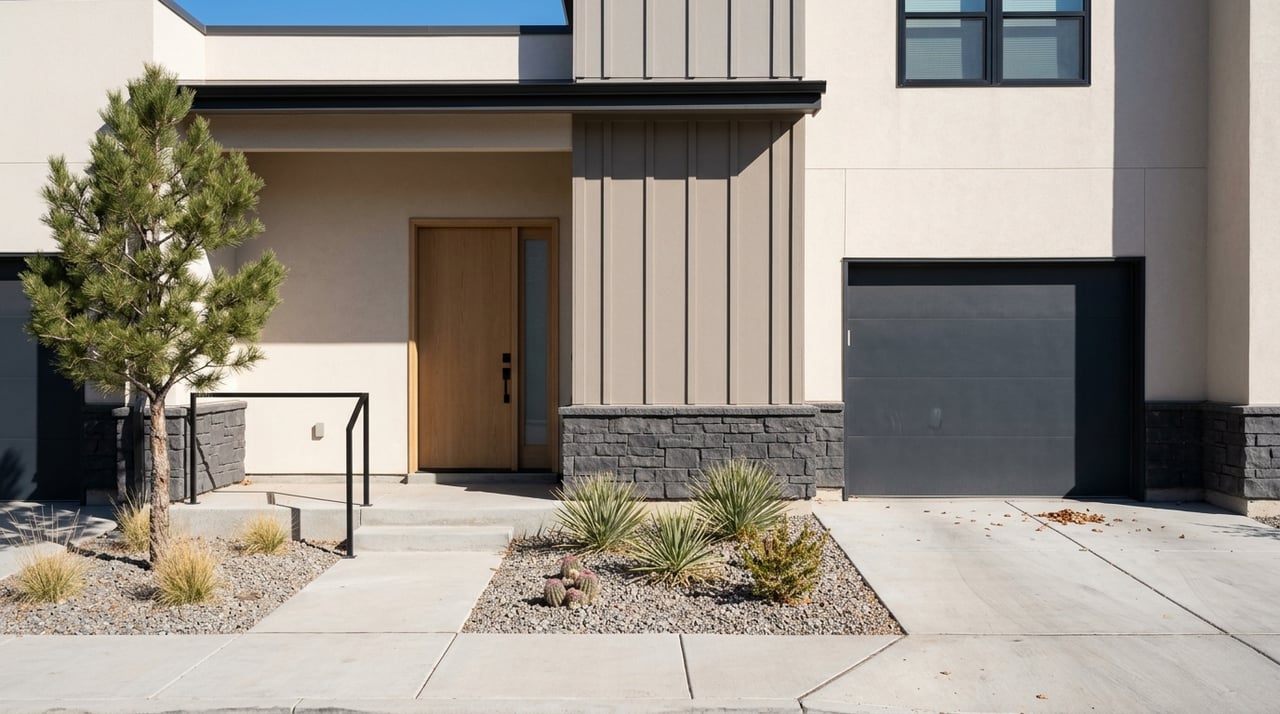
- Refresh curb appeal: mature trees and classic facades benefit from clean lines and simple landscaping.
- Stage for daily life: define a mudroom or bike storage zone and an inviting work-from-home corner.
- Share neighborhood context: provide a simple guide to nearby cafes, markets, and recreation.
A clear story about how the home lives can help your listing stand out in a competitive, park-centric market.
Schools and family services
The neighborhood is served by Denver Public Schools. School boundaries and program options can change over time. If schools are a priority, confirm current boundary maps and available programs directly with the district. You will also find private preschools and childcare options nearby, plus community recreation and youth sports that complement school schedules.
Transit, errands, and timing
If you are deciding between driving and transit, test both during your target commute hours. Bike to a light rail station one day. Drive the next. Try a bus connection on a different day. This approach helps you choose a routine that fits your schedule and reduces surprises after move-in.
For errands, combine short trips. Plan a weekly walking loop for groceries and small items, then use a monthly drive for bulk shopping. Many residents keep a bike-ready tote or compact cart to make car-free errands easier.
Home maintenance and park proximity
Park-side living brings calm views and active days, and it also adds a few practical to-dos.
- Trees and landscaping: plan routine trimming and leaf management in fall.
- Snow and ice: prepare for winter sidewalk clearing and traction materials.
- Street sweeping: note your block schedule to avoid tickets and keep gutters clear.
- Exterior wear: watch paint, mortar, and rooflines on older homes to stay ahead of weather.
A simple seasonal checklist keeps your home in top shape and supports smooth everyday living.
Community and connection
Neighborhood associations and volunteer groups often coordinate clean-ups and park stewardship. Community boards and local social channels share event details and business recommendations. If you value connection, consider joining a clean-up day or attending a neighborhood meeting to meet your neighbors and learn about local priorities.
How to choose your Wash Park fit
Think about your day first, then the house. If mornings start with a run, prioritize easy path access and gear storage. If you host weekend dinners, look for a kitchen and outdoor space that flow together. If you rely on transit, map your best bike and bus connections.
When you align a home with your daily routine, you get more than a good address. You get a lifestyle that works in every season.
Ready to see how your day could look in Washington Park or nearby neighborhoods? Connect with The Real Estate Experts of Denver for neighborhood guidance, on-market and coming-soon listings, and a plan that fits your goals. Schedule a free consultation at The Real Estate Experts of Denver.
FAQs
Is Washington Park walkable for daily errands?
- Many essentials are within a short walk or bike ride, and larger shopping options are a quick drive or transit trip away.
How do commutes to downtown work from Wash Park?
- Residents mix modes. Car, bus, bike, and nearby light rail connections make reaching downtown flexible and often shorter than suburban trips.
What types of homes are common in Washington Park?
- You’ll see historic bungalows, foursquare and craftsman styles, early-20th-century brick homes, plus some duplexes, condos, and select newer infill builds.
What should I know about schools in the area?
- The neighborhood is served by Denver Public Schools. Always confirm current boundaries and program options directly with the district before you decide.
How busy is the park on weekends, and will it affect parking?
- Weekends draw more visitors, which can increase street parking demand near entrances. Check local permit zones and visit at peak times to assess fit.
Are there renovation or historic rules for older homes?
- Some projects may require specific permits or follow historic and city guidelines. Review City of Denver rules before planning major renovations.
What seasonal maintenance should I expect near the park?
- Plan for leaf management in fall, sidewalk snow and ice care in winter, routine tree trimming, and regular checks on exterior paint, mortar, and roofing.
What helps a Wash Park home sell well?
- Showcase the park-centric lifestyle. Emphasize outdoor access, organize storage for bikes and gear, refresh curb appeal, and share a simple neighborhood guide.