Thinking about trading a larger suburban home for a more walkable Denver lifestyle? Downsizing to Washington Park can be exciting, but it also comes with real decisions about budget, parking, timing, and the kind of home that will fit your next chapter. If you are considering a move from the suburbs into Wash Park, this guide will help you understand what changes, what to plan for, and how to move with confidence. Let’s dive in.
Why Washington Park Appeals to Downsizers
Washington Park offers a very different rhythm than many suburban neighborhoods. The area centers around a 165-acre city park with two lakes, a large meadow, formal flower beds, the historic 1913 Boathouse, and a remnant of the City Ditch. For many downsizers, that combination creates a strong draw toward a more connected, outdoor-focused lifestyle.
Beyond the park itself, nearby South Pearl and South Gaylord serve as key dining and shopping corridors. The southwestern edge of the neighborhood is also close to the Louisiana-Pearl light rail station. If you want to rely less on your car and spend more time walking to everyday amenities, that shift can feel meaningful.
Wash Park Feels Different Block by Block
One of the biggest things suburban buyers notice is that Washington Park is not one uniform neighborhood experience. The City of Denver recognizes West Washington Park and Washington Park East as separate registered neighborhood organizations. That matters because the housing mix, pricing, and feel can change noticeably depending on where you look.
Washington Park East also has a long residential history that dates back to development underway by the 1910s. Over time, residents organized around preservation concerns, including issues related to pop-tops and teardowns. If you are downsizing for simplicity, it helps to know that one block may offer a very different ownership experience from another.
What Homes Look Like in Washington Park
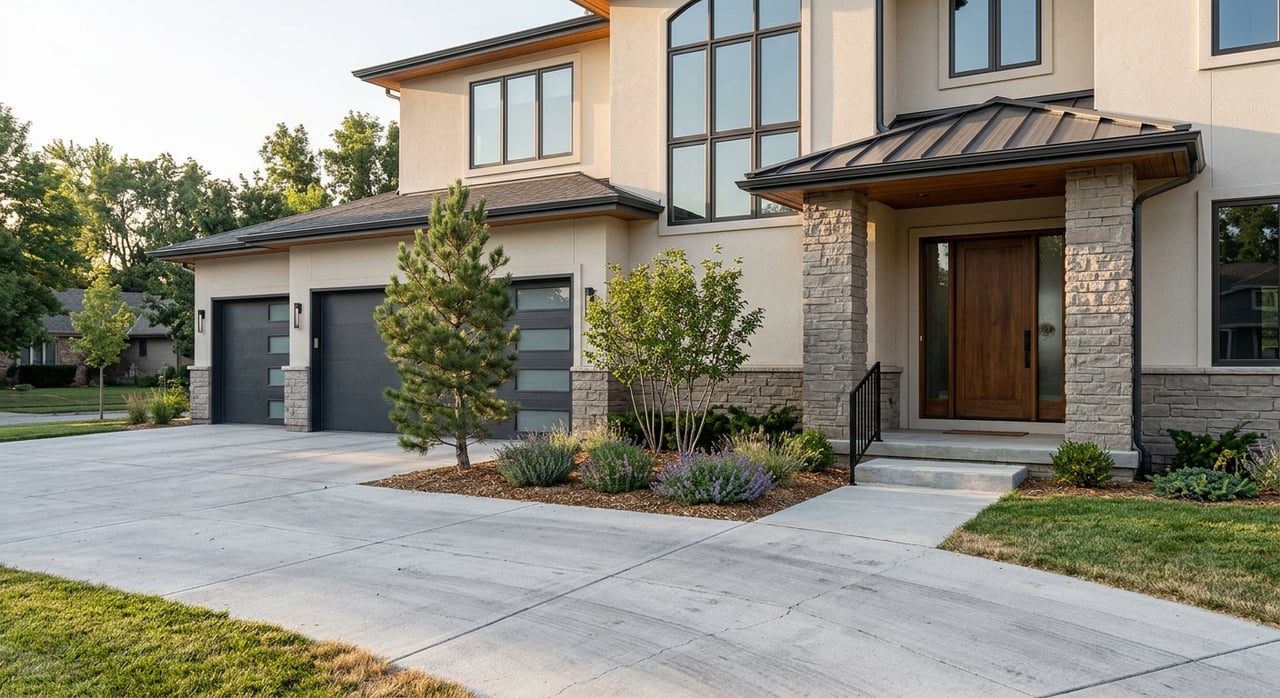
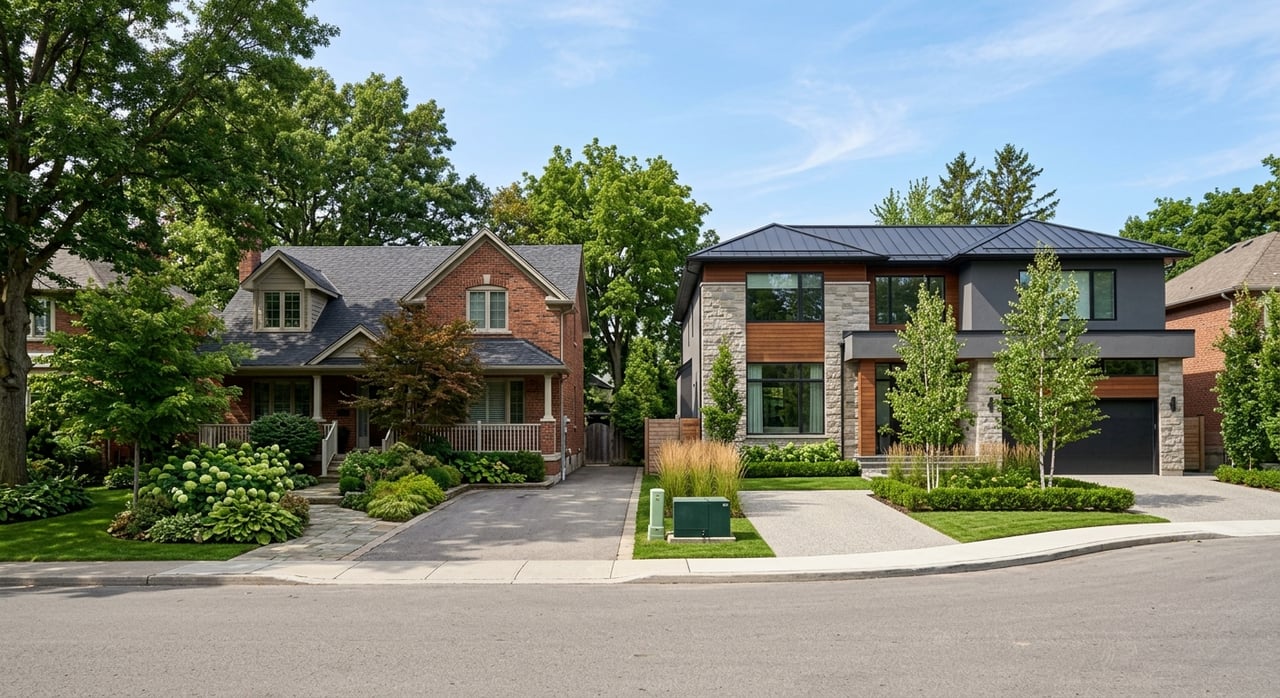
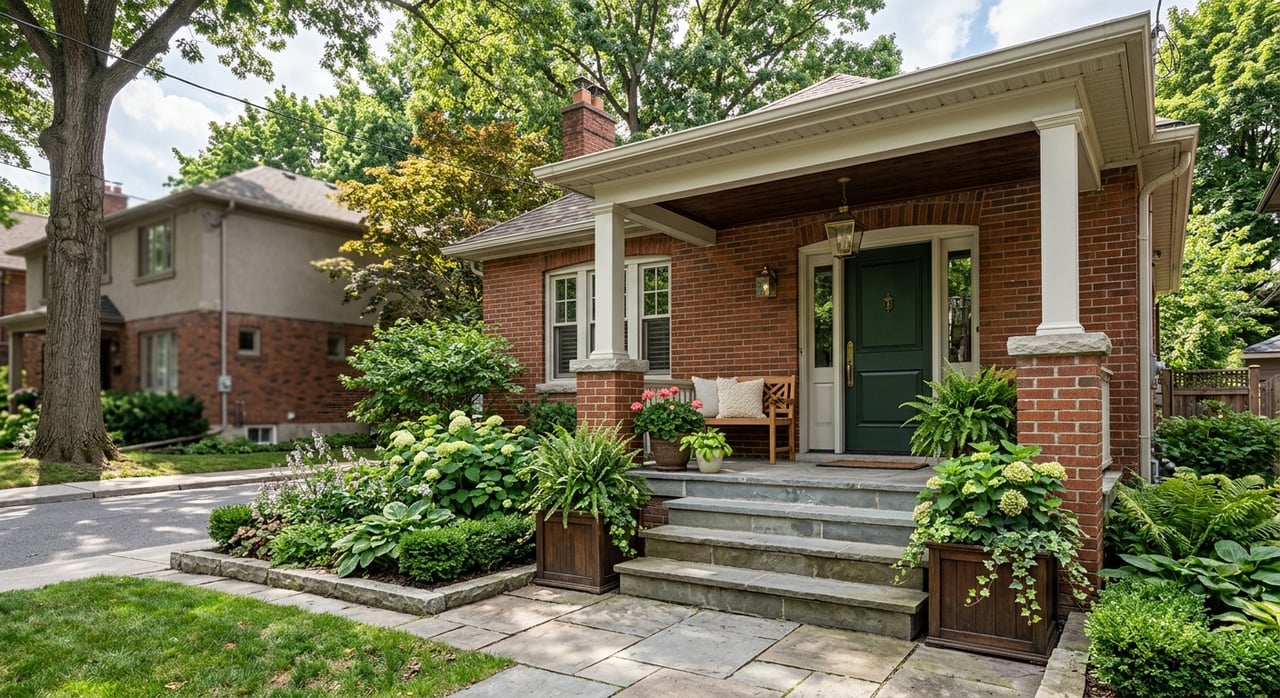
If you are moving from a newer suburban house, the housing stock in Wash Park may feel more varied. The neighborhood includes many early-20th-century homes, such as Foursquares, Arts & Crafts bungalows, and Tudors. You will also find newer infill in some areas.
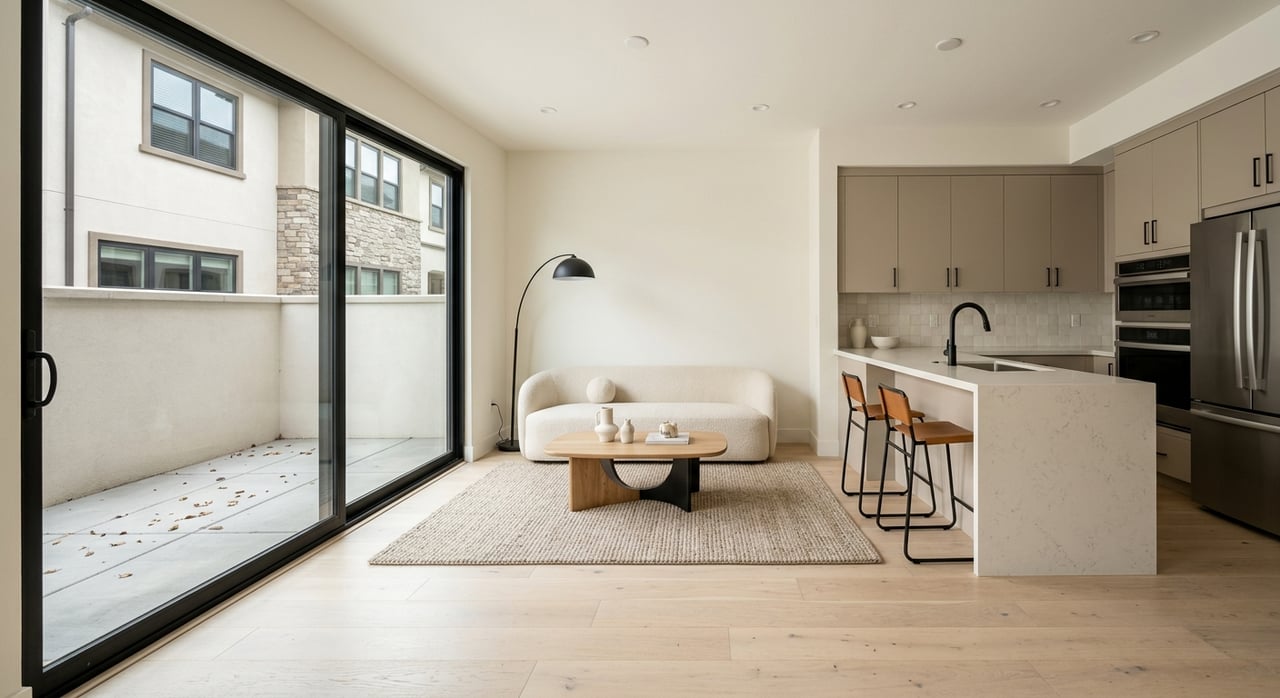
On the west side, there may be more duplexes, smaller single-family homes, and some condo or apartment-style options. That range can be helpful if your goal is to reduce square footage, lower upkeep, or prioritize location over lot size. Still, each property should be evaluated on its own, especially when older homes are involved.
Expect Premium Pricing
Washington Park sits in Denver’s premium price tier. Public market data in spring 2026 showed different numbers depending on the source, including a home value index around $1.26 million, a median sale price near $1.684 million, and a median sold price around $1.65 million. The exact figures vary because each platform measures the market differently.
The most important takeaway is simpler: Wash Park is a high-end, low-inventory market. That stands out even more when compared with the broader Denver Metro, where REcolorado reported a median closed price of $600,000 in April 2026. If you are selling in the suburbs and buying in Washington Park, your budget expectations need to be grounded in that gap.
Low Inventory Means Faster Decisions
Price is only part of the equation. Washington Park has also been moving quickly, with public market reports showing limited active inventory and homes selling in about 14 days on average. Some homes also receive multiple offers.
For downsizers, this creates a planning challenge. You may be emotionally ready to move, but in this kind of market, timing and preparation matter just as much as motivation. If you wait too long to line up your financing and sale strategy, the right Wash Park home can come and go quickly.
Parking Changes More Than You Think
For many suburban homeowners, parking is one of the biggest lifestyle adjustments. In the suburbs, you may be used to a wide driveway, an attached garage, and easy guest parking. In Washington Park, you need to look much more closely at what is actually included with a property.
Denver manages right-of-way parking through its Parking Division and DOTI, and some blocks may have posted restrictions or require residential parking permits. That means you should verify:
- Whether the block has permit requirements
- Whether parking restrictions are posted nearby
- How many off-street spaces come with the home
- Whether the garage is functional for your vehicles
- How easy guest parking is during busy times
Local neighborhood guides also note that parking can tighten near the park and around South Pearl or South Gaylord during busier periods. If parking convenience matters to you, it should be part of your home search criteria from day one.
Older Homes Bring Different Maintenance Needs
Downsizing does not always mean less work. In Washington Park, many homes are older, and that can affect maintenance, updates, and long-term planning. Alley access and detached garages are common parts of the ownership picture, and any garage work may involve zoning, building, and sewer use or drainage permits.
If a property includes an older accessory structure, buyers should also understand that demolition permits may be required in some cases. This is especially important if you are imagining a future renovation right after closing. What looks simple at first glance may involve more city review than expected.
Historic and Parkway Rules Can Affect Updates
Some Washington Park properties may have added layers of review if they are landmarks or located within a historic district. Denver’s landmark design guidelines apply to designated landmarks and historic districts. For a downsizer hoping to personalize a home, that can affect exterior work, garage changes, and other visible updates.
There are also parkway design rules that can affect properties adjacent to designated parkways and boulevards. These may include setback and curb-cut restrictions. Before you write an offer on a property you plan to modify, make sure you understand the city rules that could shape your options.
How To Coordinate Selling and Buying
If you are leaving the suburbs for Wash Park, the move usually works best when both sides of the transaction are planned together. Because Wash Park remains competitive, it is wise to think through your purchase strategy before your current home hits the market. That way, you are not making rushed decisions once a good property appears.
A practical move-down plan often looks like this:
- Prepare and price your suburban home first.
- Talk with your lender about financing scenarios.
- Review whether a home-sale contingency makes sense.
- Discuss whether bridge financing is realistic for your situation.
- Decide if a short rent-back could help your timing.
- Be ready to act quickly on homes that fit your budget and lifestyle needs.
This kind of planning can lower stress and reduce the chance of getting stuck between two homes or missing a strong opportunity.
Contingencies and Bridge Financing
If you need your current home to close before buying the next one, a home-sale contingency may be worth discussing. It can create protection when the sale of your current property is necessary to complete the purchase. At the same time, sellers may continue showing their home even after accepting a contingent offer, so this route can be less competitive in a fast-moving neighborhood.
Bridge or swing financing is another option, but it is not a casual one. Lenders generally need to document that you can carry the current home, the new home, and the bridge loan. For some households, that can be a useful timing solution. For others, it may not be the right fit.
What Downsizers Should Prioritize
When you move from the suburbs to Washington Park, your wish list usually changes. Square footage may matter less than walkability, lock-and-leave ease, or proximity to the park and neighborhood amenities. The key is being honest about what you want more of, and what you are willing to give up.
As you compare homes, focus on the features that will shape your daily life most:
- Main-floor living or fewer stairs, if ease matters
- Garage or off-street parking
- Manageable outdoor space
- Updated systems versus renovation needs
- Proximity to the park, shops, or light rail
- Flexibility for guests, hobbies, or work-from-home needs
A smaller home can still live well if it supports the way you want to spend your time.
Why Strategy Matters in This Move
Downsizing into Washington Park is not just about buying less house. It is about making a smart lifestyle move in one of Denver’s more competitive neighborhoods. You need clear budget expectations, a realistic understanding of parking and maintenance, and a plan that connects your suburban sale to your next purchase.
That is where experienced local guidance can make a real difference. The right strategy helps you move beyond the broad idea of “downsizing” and focus on the specific property, block, and timing choices that will support your goals. If you are considering a move to Wash Park from the suburbs, the team at The Real Estate Experts of Denver can help you build a plan that fits your timeline and priorities.
FAQs
What should suburban buyers know about Washington Park home prices?
- Washington Park is generally considered a high-end, low-inventory Denver market, with spring 2026 public data showing values and sale prices far above the broader Denver Metro median.
What should downsizers expect about parking in Washington Park?
- Parking can vary by block, and buyers should verify permit rules, posted restrictions, off-street parking, garage access, and guest parking rather than assuming the listing covers those details.
What types of homes are common in Washington Park Denver?
- The neighborhood includes many early-20th-century homes such as bungalows, Foursquares, and Tudors, along with some newer infill and, in some areas, duplex, condo, and smaller single-family options.
What should buyers know about updating older Washington Park homes?
- Older homes may involve permits for garage work, accessory structure changes, or demolition, and some properties may also be subject to landmark, historic district, or parkway-related rules.
How can suburban sellers time a move to Washington Park?
- A strong approach is to prepare and price the current home first, review financing and contingency options early, consider whether a rent-back is needed, and be ready to move quickly when the right Wash Park property becomes available.