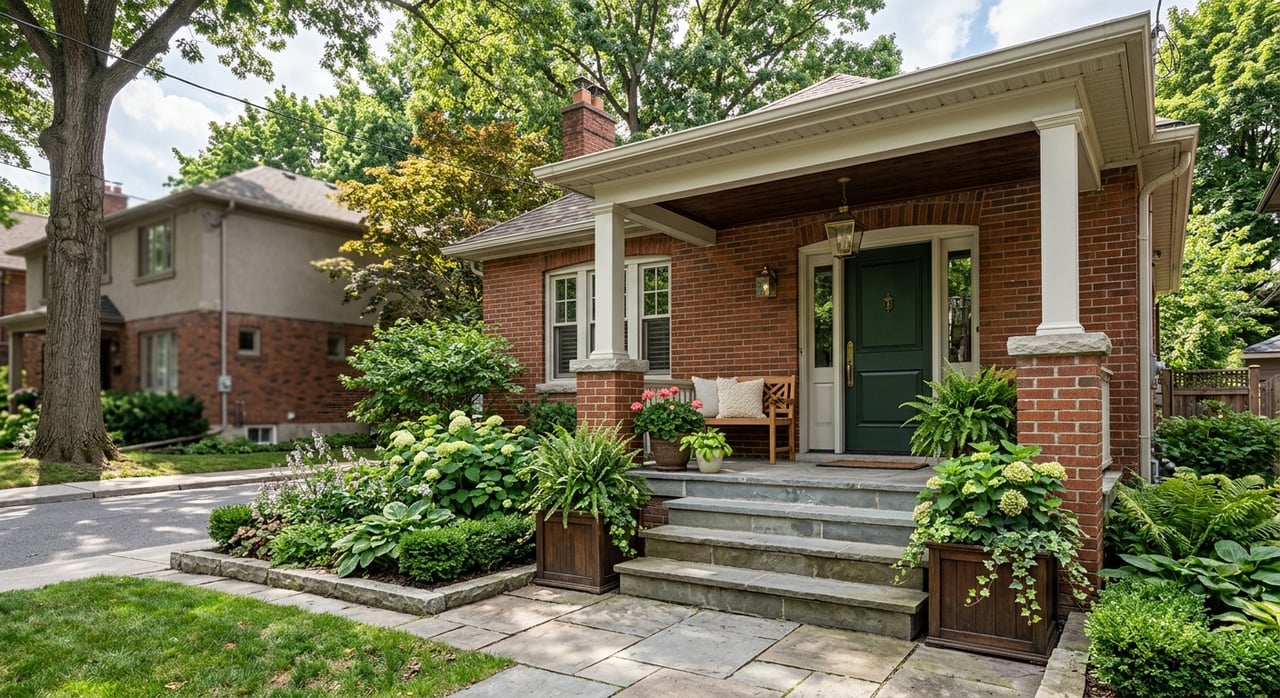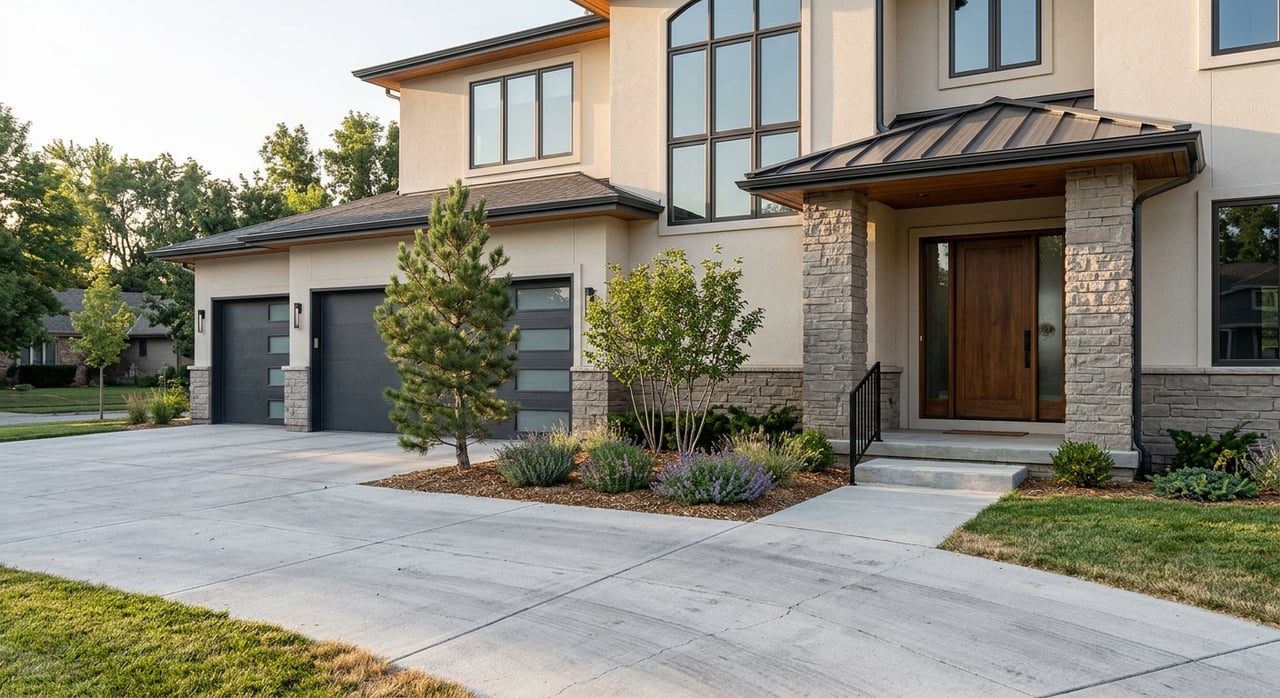
Wondering whether you should keep your Denver home as a rental or sell it and move on? You are not alone. Many homeowners are weighing today’s slower but still active housing market against the idea of long-term rental income, and the right answer depends on more than just your home’s value. This guide will help you look at Denver market conditions, rental realities, and the key financial questions that can make your decision clearer. Let’s dive in.
Denver Market Snapshot
Denver’s resale market in spring 2026 is active, but it is no longer moving with the same intensity many sellers saw a few years ago. Current data shows an average home value of $539,712, down 3.9% year over year, while homes are going pending in about 15 days.
Other local data points tell a similar story. In April 2026, Denver had 11,539 active listings, 6,642 new listings, a 99.44% close-to-list ratio, and a median of 14 days in MLS. REcolorado’s May 2026 data showed a median closed price of $615,000 and 16 median days in MLS.
What does that mean for you? A well-priced Denver home can still sell quickly, but buyers have more choices now. If you sell, your pricing strategy and presentation matter more than they did during the peak frenzy.
Why Selling May Be Simpler
For many homeowners, selling offers a cleaner path, especially if you need your equity for your next purchase. If your down payment depends on proceeds from your current home, holding it as a rental can complicate your next move.
Selling may also make sense if you do not want to take on the day-to-day responsibilities of being a landlord. In Denver, turning a former primary home into a rental is not just about finding a tenant and collecting rent. It comes with licensing, inspections, maintenance standards, and ongoing compliance.
There is also the question of timing. If your home still qualifies as your principal residence for tax purposes, selling sooner rather than later may preserve tax advantages that can change once the property becomes a rental.
Why Keeping Could Still Work
Keeping your home can still be a smart move if you want long-term flexibility or believe the property will continue to appreciate over time. Some homeowners choose to hold because they want to build a second asset, keep a future move-back option open, or wait for a different selling window.
That said, a hold strategy works best when you have strong cash reserves and a clear business plan. You should be comfortable with vacancy periods, repairs, ongoing maintenance, and the reality that rental income may not fully offset your costs right away.
If you keep the property, it helps to think like an investor rather than an owner-occupant. That means tracking expenses carefully, understanding how rental income affects your next mortgage, and planning for compliance from the start.
Denver Rent Trends Matter
One of the biggest reasons homeowners hesitate to keep a property is the hope that rent will easily cover the mortgage and then some. In Denver right now, that assumption deserves a closer look.
As of May 31, 2026, average asking rent in Denver was $1,860, down 1.7% year over year. CBRE’s first quarter 2026 report also showed soft conditions, with average rent per unit at $1,729, occupancy at 93.2%, and rents down 6.4% year over year.
The exact number varies by property type and source, but the direction is consistent. Rent growth is modest to soft, which can make keeping a home solely for immediate cash flow less attractive.
Using the citywide average figures, gross annual rent is roughly 4% of the average home value before mortgage payments, taxes, insurance, vacancy, repairs, management, and licensing costs. That is a rough starting point, not a net return.
Rental Rules in Denver Are Real
If you keep your home and rent it out long term, Denver adds a layer of responsibility that many first-time landlords underestimate. The city requires owners or property managers of residential rental properties to obtain a rental license for properties rented for 30 days or more.
This requirement applies broadly. It covers single-family homes, duplexes, townhomes, condominiums, mobile homes, manufactured homes, and accessory dwelling units. Short-term rentals under 30 days are excluded.
Denver also ties the rental program to minimum housing standards. That includes inspection topics such as fire safety, roofs, walls, foundations, utilities, trash, pest control, and general habitability.
If your goal is passive income with very little involvement, this is an important checkpoint. Once your home becomes a rental, maintenance and compliance are ongoing obligations, not one-time tasks.
Colorado Landlord Duties Can Add Risk
Beyond Denver’s local rules, Colorado landlord-tenant law makes turnover and problem situations more structured than many owners expect. If issues come up with a tenant, landlords must follow formal notice procedures before filing an eviction case.
Depending on the situation, a demand for compliance may allow 3 to 30 days to cure a violation. A notice to terminate tenancy can range from 1 to 91 days, and some no-fault notices require at least 90 days.
Colorado also recognizes a warranty of habitability defense when a unit is unlivable. That means maintenance and condition issues can become legal issues if they are not handled properly.
Security deposits are another area where mistakes can get expensive. According to the Colorado Division of Housing, wrongful retention of a security deposit can expose a landlord to treble damages, attorney fees, and court costs.
Tax Impact Can Change the Equation
For many Denver homeowners, the tax side is one of the most important parts of the keep-or-sell decision. If you sell a principal residence, the home-sale exclusion may apply if you meet the ownership and use rules, generally requiring at least 24 months during the 5 years before the sale.
That exclusion can become more complicated if you convert the home to a rental first. If the property is used as a rental or for business, the portion of gain tied to depreciation allowed or allowable after May 6, 1997 cannot be excluded.
In simple terms, keeping your home as a rental can change your future tax picture. Even if you once lived there full time, renting it out can reduce some of the tax advantages you might have if you sold while it still clearly fits the principal residence rules.
Rental ownership may also create deductions for things like maintenance, insurance, taxes, and interest, and the property may be depreciated when it is ready and available for rent. But those deductions do not erase the real cash you may still be spending.
Your Next Mortgage Matters Too
If you plan to buy another home, your current property can affect loan approval more than you expect. Some homeowners assume future rental income will fully offset the existing mortgage, but lender guidelines can be more conservative.
Rental income may be counted only with specific documentation, such as tax returns, Schedule E, a lease, and an appraisal-based rent schedule. When the rental income relates to your principal residence, the full mortgage payment can still count in your debt-to-income ratio.
That means keeping your current Denver home could make your next purchase easier or harder depending on your income, reserves, and documentation. If you are moving up, this step deserves attention early in the process.
Home Type Can Affect the Decision
Not every segment of the Denver market behaves the same way. Detached homes, condos, and townhomes can move differently, and that matters whether you are considering a sale or a hold.
For example, Denver Metro Association of Realtors data showed that attached homes in the $750,000 to $999,999 range had 5.72 months of inventory. That is a much slower pace than the broader market and a reminder that property type can shape both resale timing and rental math.
If you own a condo or townhome, your decision may deserve a more specific review than general citywide averages can provide. The same is true if your home sits in a price band where competition is heavier.
Four Questions to Ask Before You Decide
If you are stuck between keeping and selling, these four questions can help you focus on what matters most:
- Will the property truly cash flow? Look beyond rent and include mortgage, vacancy, repairs, taxes, insurance, management, and compliance costs.
- Could renting it create a future tax cost? Converting the property may affect the home-sale exclusion and create depreciation-related tax consequences later.
- Can you still qualify for your next mortgage? Your current payment may still count against you even if you plan to rent the home out.
- Are you ready to be a landlord in Denver? Licensing, inspections, maintenance, notices, and deposit handling all come with real responsibility.
If your answers feel uncertain, selling may offer more clarity and less risk. If your numbers are strong and you want a long-term hold, keeping could still make sense.
How to Make the Right Move
This decision is part financial, part practical, and part personal. The Denver market still supports well-prepared sellers, but softer rents and real landlord obligations mean keeping a home is not automatically the better wealth-building move.
The best approach is to look at your equity, your likely rental income, your next-home goals, and your tolerance for managing a property like a business. A thoughtful review now can save you from an expensive mistake later.
If you are weighing whether to keep or sell your Denver home, the right local guidance can make the decision much easier. The team at The Real Estate Experts of Denver can help you evaluate your home’s market position, selling potential, and next-step strategy with a clear, data-driven plan.
FAQs
Should you sell your Denver home in a slower market?
- If your home is priced well and presented properly, Denver data suggests it can still sell quickly, even in a calmer market.
Can you rent out your Denver home without a license?
- No. Denver requires a rental license for residential properties rented for 30 days or more, including single-family homes, condos, and townhomes.
Does converting your Denver home to a rental affect taxes?
- Yes. Converting a principal residence to a rental can affect the home-sale exclusion and may create depreciation-related tax consequences when you sell later.
Is Denver rent strong enough to justify keeping a home?
- Not always. Current data shows softer rent trends, so you need to calculate cash flow carefully after all ownership and compliance costs.
Can keeping your Denver home affect your next mortgage?
- Yes. Your current mortgage payment may still count in your debt-to-income ratio, even if you plan to rent the home out.
Should Denver condo owners make the same keep-or-sell decision as single-family owners?
- Not necessarily. Attached homes can move at a different pace than detached homes, so condo and townhome owners should review their segment more closely.