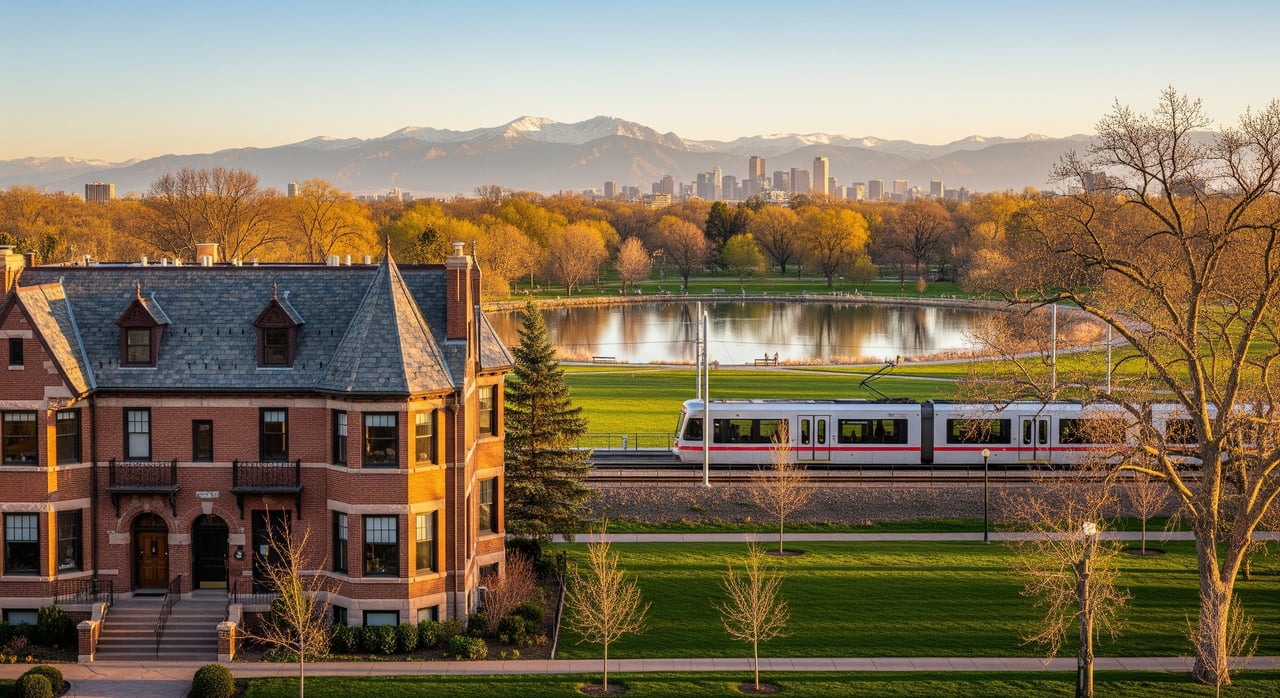
Do homes in Washington Park sell faster when you can stroll to a train or bus stop? If you are weighing a move in or out of Wash Park, transit can feel like a big swing factor. You want easy access to downtown, the Tech Center, or the airport without giving up the park lifestyle. In this guide, you’ll see how RTD rail and bus access influences demand, what matters most block by block, and how to use it to your advantage as a buyer or a seller. Let’s dive in.
Why transit matters in Wash Park
Washington Park is known for its park, tree‑lined streets, and everyday convenience. Independent sources consistently rate it as very walkable with strong bikeability and some transit access. You can review neighborhood walk, transit, and bike scores on the Walk Score profile for Washington Park.
Location helps, too. Wash Park sits roughly 4 to 7 miles from downtown, with typical drives often in the 8 to 20 minute range depending on traffic. Transit rides to Union Station from nearby stops are generally about 18 to 40 minutes and vary by route and transfers, according to trip planning examples.
RTD assets near Wash Park
Key light‑rail stations
- Louisiana•Pearl is the primary light‑rail station serving Washington Park and Platt Park. It is typically served by the E and H lines on the Southeast Corridor. See station details on Louisiana•Pearl’s page.
- Alameda station, on the edge of Wash Park and Baker, connects several lines and anchors a visible station‑area redevelopment. It is walkable from parts of western Wash Park. Learn more on the Alameda Station entry.
- Other nearby options, depending on your block, include University of Denver, Evans, and I‑25•Broadway. These serve trips to downtown, the Tech Center, and other corridors.
Buses and local connections
- Local bus routes provide first and last‑mile links through the neighborhood. Route 12 runs on Downing and connects to several station areas. Check the Route 12 schedule for stop locations and times.
- Wash Park’s grid, bike lanes, and multi‑use paths make biking to stations a practical option for many addresses.
Frequency, reliability, and service alerts
- RTD publishes official maps, service patterns, and alerts. Typical E and H line patterns offer regular peak and off‑peak service, with exact frequencies varying by time of day and maintenance windows. Review the RTD system map and schedules for current details.
- Occasional maintenance can add a bus shuttle or alter service, including at Louisiana•Pearl. You can see a recent example of a temporary bus bridge on RTD’s service alert archive.
How transit shapes demand
Accessibility premium near stations
Transit reduces commuting friction and expands job access, which can boost demand within a short walk of a stop. RTD’s own transit‑oriented development guidance highlights how station areas concentrate housing and retail. Academic research also finds the strongest value effects typically within a quarter mile of a light‑rail station, with a clear distance‑decay pattern. For a plain‑English summary, see the University of Minnesota’s overview of light‑rail impacts on property values.
Product fit matters
Transit access tends to be most valuable for condos and multifamily options that fit car‑light lifestyles. In Wash Park, buyers of single‑family homes often prioritize the park, lot size, and architectural character, with transit as a helpful bonus rather than the primary driver. RTD’s TOD materials reflect this segmentation, noting station‑area housing types that benefit most from rail and bus proximity.
Denver‑specific nuance
Local analyses after the Southeast Corridor opening found notable gains near some stations, though effects vary by corridor and context. You can read background coverage on these mixed outcomes in Planetizen’s summary of Denver research. Systemwide ridership has recovered partly since 2020 but remained below 2019 levels as of 2023 to 2024, per RTD’s Facts & Figures. Public perceptions of safety and operations have also been in the news, as reported by Axios Denver in 2024. These factors can moderate the near‑term price premium of being rail‑adjacent.
What it means for sellers
- Lead with proximity you can verify. If your home is within a 10 to 15 minute walk of Louisiana•Pearl or Alameda, note the distance and the lines served. Double‑check the station page, like Louisiana•Pearl, for accurate line names.
- Tailor the story to your home type. For condos or lock‑and‑leave properties, highlight the rail plus bus network and bike links. For single‑family homes, feature the park and block, then position RTD access as a quality‑of‑life convenience.
- Use TOD as a proof point. Alameda Station’s redevelopment is a local example of how transit can support housing and retail demand.
- Set expectations about micro‑location. Proximity to I‑25 can offer faster driving access but may involve more ambient noise. Keep the focus on your specific street conditions.
Tips for buyers comparing blocks
- Test your commute. Use RTD’s planner for your exact address and schedule. Typical trips to Union Station from nearby stops take about 18 to 40 minutes depending on transfers.
- Check live service and alerts. Start with the RTD system map and schedules, then review any recent alerts that could affect your route.
- Walk it at different times. Evaluate crossing points, lighting, and bike routes. A 0.6‑mile walk can feel different in the evening than at noon.
- Match transit to your lifestyle. If you plan to be car‑light, focus within a short walk of stations or frequent bus lines like Route 12. If you will drive most days, prioritize block quality and parking, with transit as a backup.
- Ground your budget in current context. As of March 31, 2025, Zillow’s typical Wash Park home value is roughly 1.18 to 1.23 million dollars, and monthly medians can swing due to small sample sizes in neighborhood data. Use neighborhood figures as context, then drill down to a micro‑market analysis for the exact property type you want.
Case in point: Alameda Station and Denizen
Alameda Station’s transformation from a park‑and‑ride into a mixed‑use hub shows how RTD’s station‑area planning can reshape nearby housing and retail. The result is a more walkable station environment that supports riders and adjacent development. You can read more about the project on RTD’s page for the Alameda Station area.
Bottom line for Wash Park
Transit helps shape demand in Wash Park by improving everyday access and supporting TOD in nearby station areas. The strongest value signals tend to cluster near stations and for home types suited to car‑light living, while single‑family demand still leans heavily on the park and block. With mixed ridership recovery and periodic service changes, buyers and sellers should verify current schedules and focus on micro‑location. If you want help weighing these tradeoffs, we are ready to guide you.
Ready to align your move with the right access and neighborhood fit? Connect with The Real Estate Experts of Denver for local guidance tailored to your address and goals.
FAQs
How close to transit boosts value in Washington Park?
- Research often finds the strongest effects within a quarter mile of a light‑rail station, with influence declining as distance increases, as summarized by the University of Minnesota’s overview of light‑rail impacts.
Which RTD stations most serve Wash Park residents?
- Louisiana•Pearl is the primary stop, with Alameda also walkable from parts of western Wash Park, and other nearby options including University of Denver, Evans, and I‑25•Broadway. See RTD’s system map for context.
Are RTD light‑rail frequencies reliable for daily commuting?
- E and H lines offer regular peak and off‑peak service, but frequencies vary by time of day and maintenance windows, so always confirm on the RTD system map and schedules and check recent alerts.
What should buyers verify about RTD access before making an offer?
- Test real‑world travel times with RTD’s planner, review recent service alerts, and walk the route to the station at different times of day to assess crossings, lighting, and comfort.
How do safety perceptions affect the value of being near transit in Denver?
- System ridership and public perception have been in flux since 2020, with operational and safety concerns reported by local media like Axios Denver, which can moderate the near‑term premium of being rail‑adjacent.
Where can I confirm specific route times from my Wash Park address?
- Use RTD’s official tools such as Find a Schedule or a stop‑level planner like Moovit’s Louisiana•Pearl page for walk times and departures.