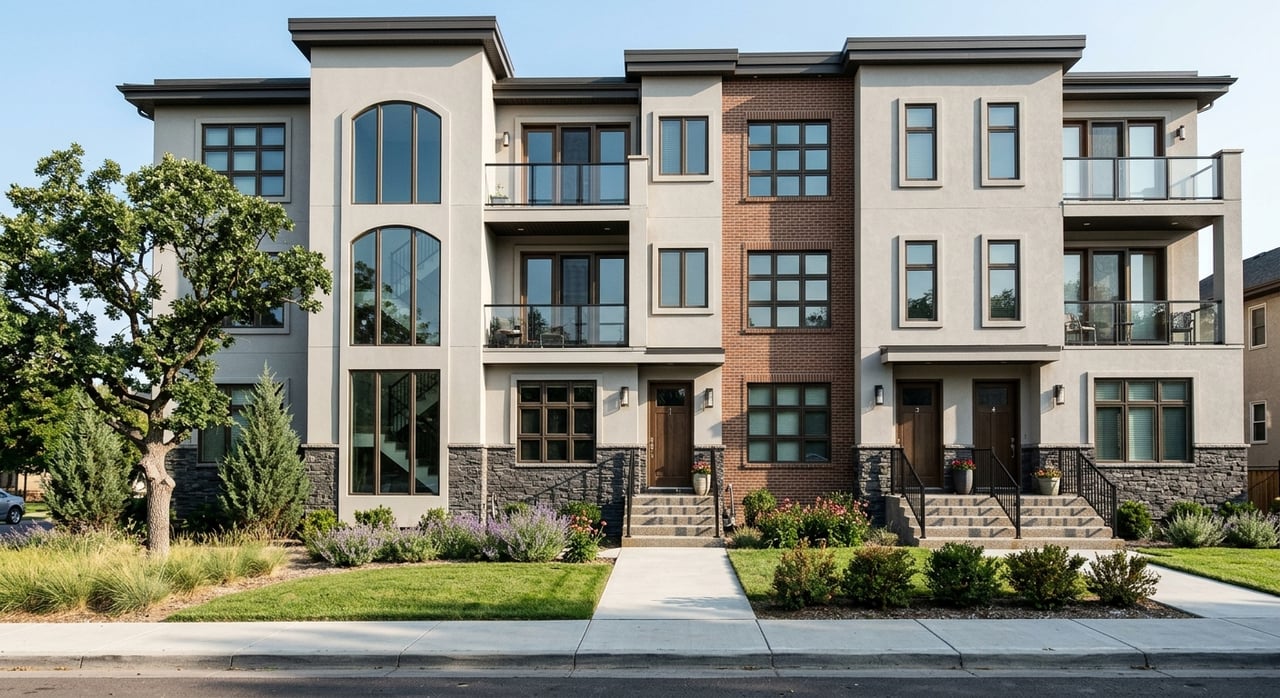
If you have been thinking about buying a duplex, triplex, or fourplex in Denver, you are not alone. Small multifamily can offer a practical way to build rental income, offset your housing costs, or start growing a long-term investment portfolio. The key is knowing how to evaluate the numbers, the property, and Denver’s local rules before you jump in. Let’s dive in.
Why small multifamily appeals in Denver
Small multifamily investing usually means buying a property with two to four units. For many buyers, that can be a more approachable entry point than a larger apartment building while still giving you multiple income streams from one property.
In Denver, this strategy can appeal to both new and experienced investors. You might live in one unit and rent the others, or you might buy a fully rented property and hold it as a long-term investment. Either way, success depends on disciplined underwriting and a clear understanding of the local market.
Denver market conditions matter
Denver’s rental market has cooled from the rapid pace seen in 2021 and 2022. According to the Apartment Association of Metro Denver’s vacancy and rent report, average rents were reported at $1,832 in Q2 2025, while vacancy was 6.4% and concessions averaged about 4.9% of gross rent.
Other reports show a similar range. Zillow reported Denver asking rent at $1,818 in February 2026, and CBRE reported $1,737 in Q4 2025. The takeaway for you is simple: underwrite conservatively and do not assume aggressive rent growth in the short term.
That matters because advertised rent is not always the same as achievable rent. In a softer market, lease-up periods can take longer, turnover can cost more, and concessions may be needed to attract tenants.
What Denver small multifamily costs
Small multifamily prices in Denver can vary a lot based on location, condition, updates, and unit mix. A sample of recent Denver small multifamily listings on LoopNet showed duplexes, triplexes, and fourplexes ranging from about $625,000 to more than $1.5 million in asking price.
That same sample suggests per-unit pricing can vary widely too. Some examples worked out to the low-$200,000s per unit, while others reached much higher numbers, especially for updated duplexes or properties in stronger locations.
For added context, Northmarq’s Q3 2025 Denver multifamily report showed a median sale price of $281,400 per unit and an average cap rate around 5.0% for the broader multifamily market. Matthews also reported pricing around $310,000 per unit with cap rates in the high-5% range for smaller Class B deals. These are not direct two-to-four-unit comps, but they can help you frame your expectations.
How to think about cash flow
One of the biggest mistakes first-time investors make is focusing only on gross rent. What matters is what is left after realistic operating costs, vacancy, turnover, repairs, and any concessions.
A conservative Denver pro forma should account for:
- Vacancy
- Tenant turnover
- Repairs and maintenance
- Leasing downtime
- Concessions if needed
- Licensing and inspection costs
- Deferred maintenance
Because market conditions have softened, your deal needs room for normal friction. If a property only works when every unit is always full at top-of-market rent, that is a warning sign.
Features that can support rentability
Not all units compete equally. Recent Denver listings often highlight features that can make a small multifamily property easier to lease, including private entrances, separate utilities, private garages, back yards, and walkability to parks, restaurants, and transportation.
These details matter because they can improve the tenant experience and reduce friction between units. In a competitive rental environment, practical features can make a meaningful difference in how quickly you lease and how well you retain tenants.
When you compare properties, look beyond square footage and bedroom count. Ask yourself which building offers features that renters are more likely to value in that specific area.
Use local rent comps, not broad averages
Citywide rent averages can be useful for a quick overview, but they are not enough to evaluate a specific duplex or fourplex. Denver has meaningful submarket differences, and those differences can affect your rent projections.
A better approach is to use the most local data available. The AAMD vacancy and rent survey breaks Denver into submarkets such as Capitol Hill, Cherry Creek, Denver CBD, Denver NE, Denver NW, Denver SE, Denver SW, Lowry, and Washington Park, which can give you a more useful starting point for rent comparisons.
You should also compare the property against nearby rentals with similar unit size, condition, parking, utility setup, and outdoor space. A renovated duplex with separate utilities and garages should not be comped the same way as an older building with shared systems and fewer amenities.
House hacking in Denver
Yes, house hacking can be a practical way to get started. If you buy a duplex, triplex, or fourplex and live in one unit while renting the others, you may be able to offset part of your monthly housing cost while gaining landlord experience.
That said, financing and tax treatment can vary depending on whether you are buying as an owner-occupant or as an investor. Before you make assumptions, talk with a lender about loan options and a CPA about depreciation, expense allocation, and entity structure.
This is especially important if you plan to live in one unit and rent the rest. A good plan up front can help you avoid surprises later.
Denver rental licensing rules to know
If you plan to rent out units for 30 days or more, Denver’s rules are important. The city states that any dwelling unit rented long term must have a residential rental property license.
Denver also notes that the program includes a third-party inspection requirement. License fees are tiered by unit count, licenses are renewed every four years unless ownership changes, and landlords must provide the tenant-rights document and a written lease.
If you are analyzing a deal, add these requirements to your budget and timeline. A property that looks simple on paper may need additional work to meet inspection standards or licensing requirements.
Be careful with short-term rental plans
Some buyers assume they can buy a duplex or fourplex and use one or more units as full-time short-term rentals. In Denver, you need to be more careful than that.
According to the city’s short-term rental licensing rules, a short-term rental license is only available for the host’s primary residence. If the property is not your primary residence, it is not eligible for a standard short-term rental license and may require a lodging-facility license and possible zoning or use changes.
If short-term rental income is part of your plan, verify the rules before you write an offer. That step can save you from building your numbers around an income strategy that may not be allowed.
Your Denver due diligence checklist
Before making an offer on a small multifamily property, slow down and verify the basics. A disciplined review can protect you from expensive surprises.
Here is a smart high-level checklist:
- Verify the legal unit count
- Confirm zoning and any overlays
- Review the current rent roll
- Read all existing leases
- Inspect utility setup and billing structure
- Evaluate deferred maintenance
- Budget for licensing and inspection costs
- Test rents against local submarket comps
- Ask a lender to review financing options
- Ask a CPA to review tax considerations
This process helps you move beyond the listing description and into the real economics of the property. That is where better decisions are made.
What a strong first deal looks like
Your first small multifamily deal in Denver does not need to be perfect. It does need to be understandable.
In many cases, the best starter property is one where you can clearly verify rent potential, understand the repair needs, and see a path to stable occupancy. A clean, straightforward duplex or triplex with realistic rents and manageable expenses can be a better first investment than a more complex value-add property that looks exciting but carries more risk.
With Denver’s current rental backdrop, patience matters. Buying the right property at the right numbers is usually more important than buying fast.
If you want guidance as you explore duplexes, triplexes, or fourplexes in Denver, The Real Estate Experts of Denver can help you evaluate opportunities, compare local market options, and move forward with a clear strategy.
FAQs
Can I house hack a duplex in Denver?
- Yes. You can live in one unit and rent the other unit or units, but you should confirm financing terms with a lender and review tax questions with a CPA.
How much cash flow should I expect from a Denver small multifamily property?
- It depends on rents, vacancy, concessions, repairs, financing, and the property’s condition. In Denver’s softer rental market, it is smart to use conservative assumptions.
Is a triplex or fourplex easier to finance than a duplex in Denver?
- Financing depends on your occupancy plan, loan program, and qualifications. A lender can help you compare owner-occupant and investor options for two-to-four-unit properties.
Can I short-term rent one unit of a Denver duplex or fourplex?
- Possibly, but Denver says short-term rental licenses are only available for a host’s primary residence, so you should verify the rules before relying on that strategy.
What should I look for in a Denver rent comp for a duplex or fourplex?
- Focus on the most local submarket data possible and compare similar unit size, condition, utilities, parking, and amenities rather than relying only on citywide averages.