If you want to move up in Highlands Ranch, the biggest question usually is not whether you can find the right next home. It is how to sell your current home without creating timing, financing, or moving stress along the way. When you are balancing equity, closing dates, and the pace of the local market, a clear plan matters. This guide walks you through the main paths, key risks, and practical steps so you can move with more confidence. Let’s dive in.
Why strategy matters in Highlands Ranch
Highlands Ranch has its own transaction context, and that affects how you plan a move-up sale. It is a 22,000-acre master-planned community in Douglas County with local governance through the Highlands Ranch Metro District, while HRCA serves more than 30,000 households and operates recreation centers and the Backcountry Wilderness Area, according to the Highlands Ranch community overview.
For you as a seller, that means HOA or district documents, community fees, and property tax questions can all come into play. These details do not need to complicate your move, but they do need to be organized early so your sale and purchase stay on track.
The market also calls for realistic timing. Redfin’s Highlands Ranch housing market data reported a February 2026 median sale price of $676,250 and a median 41 days on market, while Zillow reported an average home value of $694,021, 47 days to pending, and 255 homes for sale as of January 31, 2026. The exact figures differ because the companies measure different things, but the takeaway is useful: values remain strong, while homes may take longer to move than they did in the fastest recent years.
Choose the right timing path
Your move-up plan usually falls into one of three paths. The best one depends on your finances, comfort with risk, and how flexible your move timeline is.
Sell first, then buy
This is the most common path. The CFPB notes that if you want to move, you normally try to sell your current home before buying another one, because it gives you a clearer picture of your available proceeds for the next purchase.
The advantage is certainty. Once your home is under contract, you can estimate what you will net and plan your next down payment, monthly budget, and purchase range with more confidence.
The tradeoff is convenience. If your next home is not ready when your current sale closes, you may need temporary housing or a rent-back agreement to bridge the gap.
Buy first, then sell
This option can make sense if the replacement home you want is hard to find or if you want to avoid moving twice. Some buyers use home equity tools to make this work.
The CFPB explains that a HELOC lets you borrow against your home equity, but it also creates repayment risk if you cannot keep up with payments. This path can be effective, but it requires careful budgeting because you may face overlapping housing costs if your current home does not sell quickly.
Close concurrently
A concurrent close means your sale and purchase happen on closely coordinated timelines. In the best-case scenario, this limits disruption and can reduce the need for temporary housing.
It is also the most coordination-heavy path. Freddie Mac’s closing guidance for sellers notes that sellers may not always need to attend closing in person and may be able to pre-sign documents, while NAR explains that rent-back clauses can allow sellers to stay in the home for a negotiated period after closing.
The main risk is that one delay can affect both sides of the move. NAR also notes in its consumer guide to real estate contingencies that timelines need to be clear, because unmet contingencies can allow parties to cancel if they are acting in good faith.
Build your financing plan early
Move-up sellers often focus on sale price first, but financing structure is just as important. Before you list or make an offer, it helps to map out what you can comfortably carry and what tools may support your plan.
The CFPB recommends getting quotes from three or more lenders and comparing official Loan Estimates, since rates can change between your first conversation and your application. Freddie Mac offers similar guidance, and comparing options on the same day gives you a cleaner side-by-side view.
You should also plan for the full cost of ownership, not just the mortgage payment. The CFPB notes that repairs, property taxes, insurance, and HOA dues all belong in your affordability calculation, especially if you may temporarily own two homes during the transition.
In Douglas County, taxes are based on actual value, assessment rate, and mill levy, and mill levies are set annually. For tax year 2025, residential property was projected to be assessed at 7.05% for school districts and 6.25% for other local government, according to the Douglas County Assessor’s tax calculation page.
Use contract tools to lower risk
A smart move-up strategy is not just about price. It is also about choosing terms that protect your timing and flexibility.
NAR identifies several common contingencies that can affect move-up buyers and sellers, including:
- Financing contingency
- Appraisal contingency
- Inspection contingency
- Home sale contingency
- Home close contingency
- Title contingency
- Homeowners insurance contingency
- HOA review contingency
In Highlands Ranch, HOA review deserves extra attention because many properties are connected to HRCA or other governing structures. Reviewing those documents early can help reduce last-minute surprises.
NAR explains that a home-sale contingency gives you time to sell your current home before closing on the next one. A home-close contingency gives you time to actually close that sale before you complete the purchase.
If you are accepting an offer on your current home from a buyer with one of those contingencies, terms matter. NAR notes that sellers may continue showing the property in some cases, and a kick-out clause can preserve the ability to accept a stronger non-contingent offer.
That is why the strongest offer is not always the highest. Price matters, but so do financing strength, contingency structure, and closing timeline.
Prepare your current home to compete
Even in a healthy market, thoughtful preparation can help your home show better and move faster. NAR says a pre-sale inspection is not required, but if one uncovers a major issue like roof, HVAC, or appliance problems, you should gather repair estimates even if you do not plan to complete the work.
For day-to-day presentation, NAR recommends focusing on the basics that buyers notice first:
- Clean windows, carpets, lighting fixtures, and walls
- Store away clutter
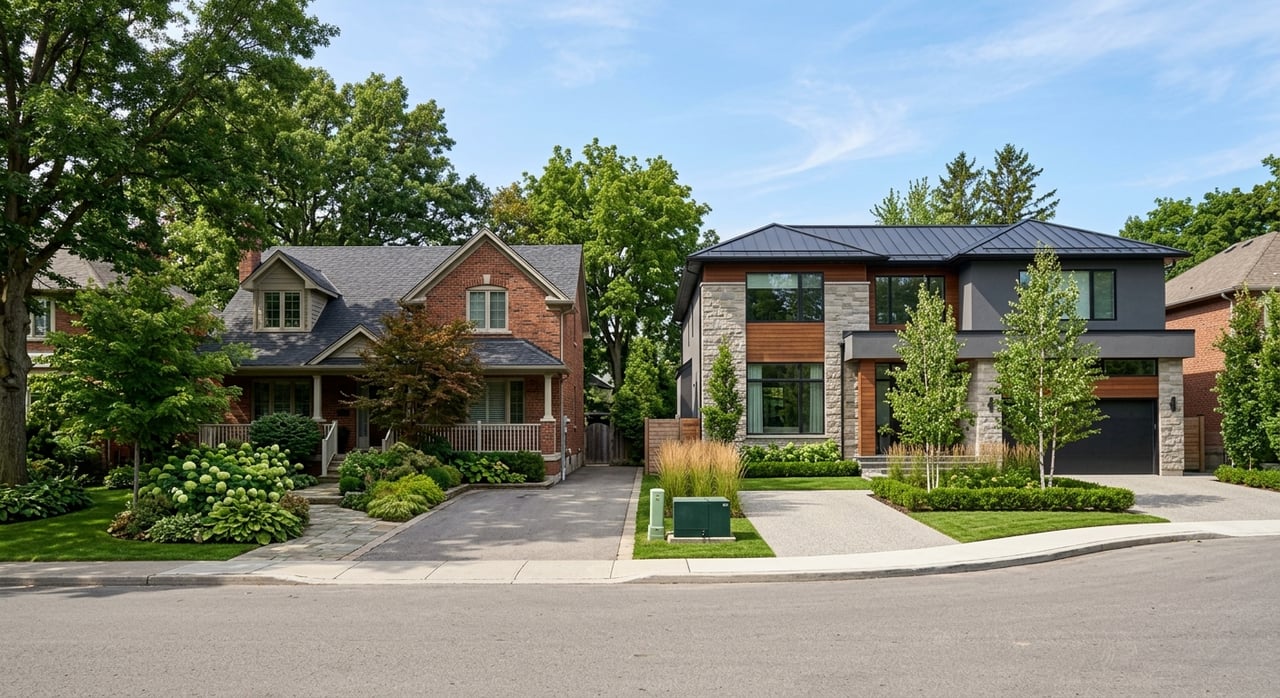
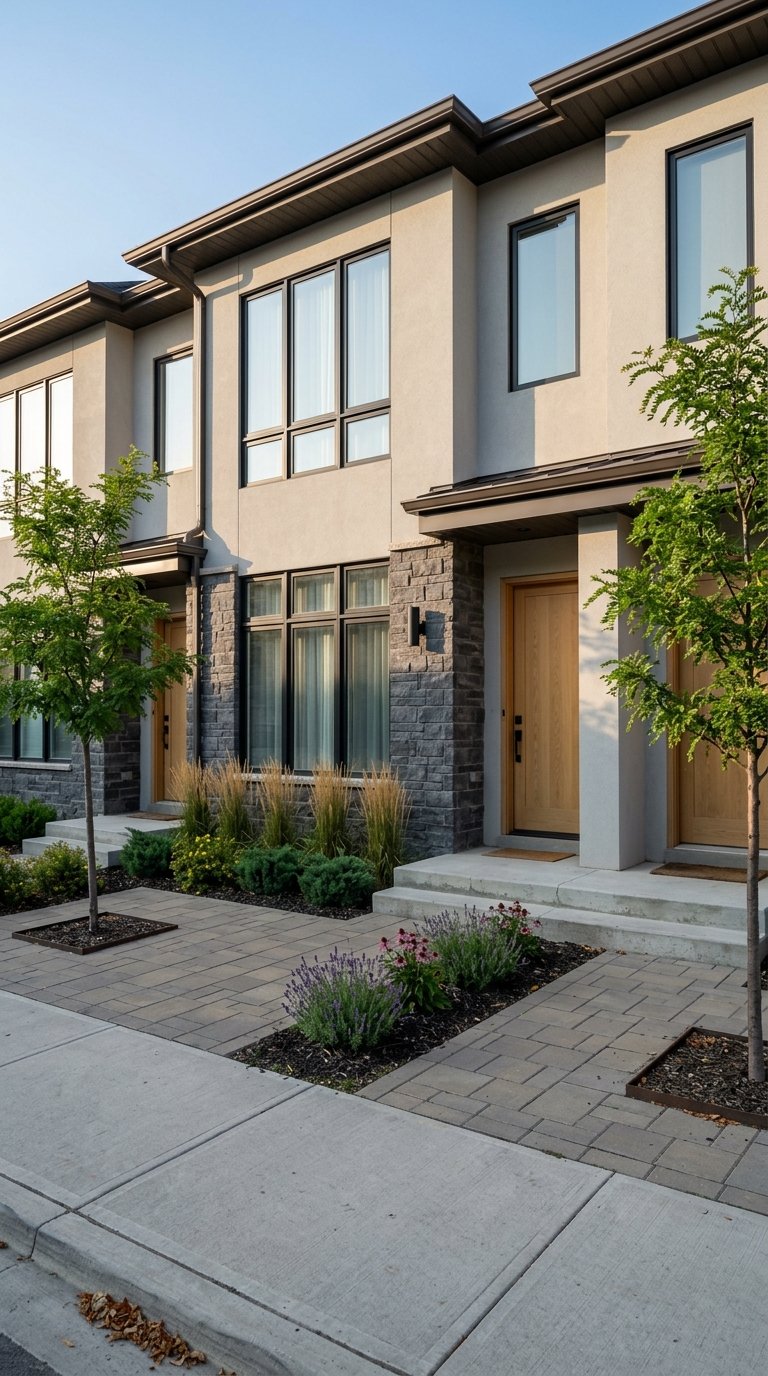
- Refresh landscaping and the front entry
- Touch up paint where needed
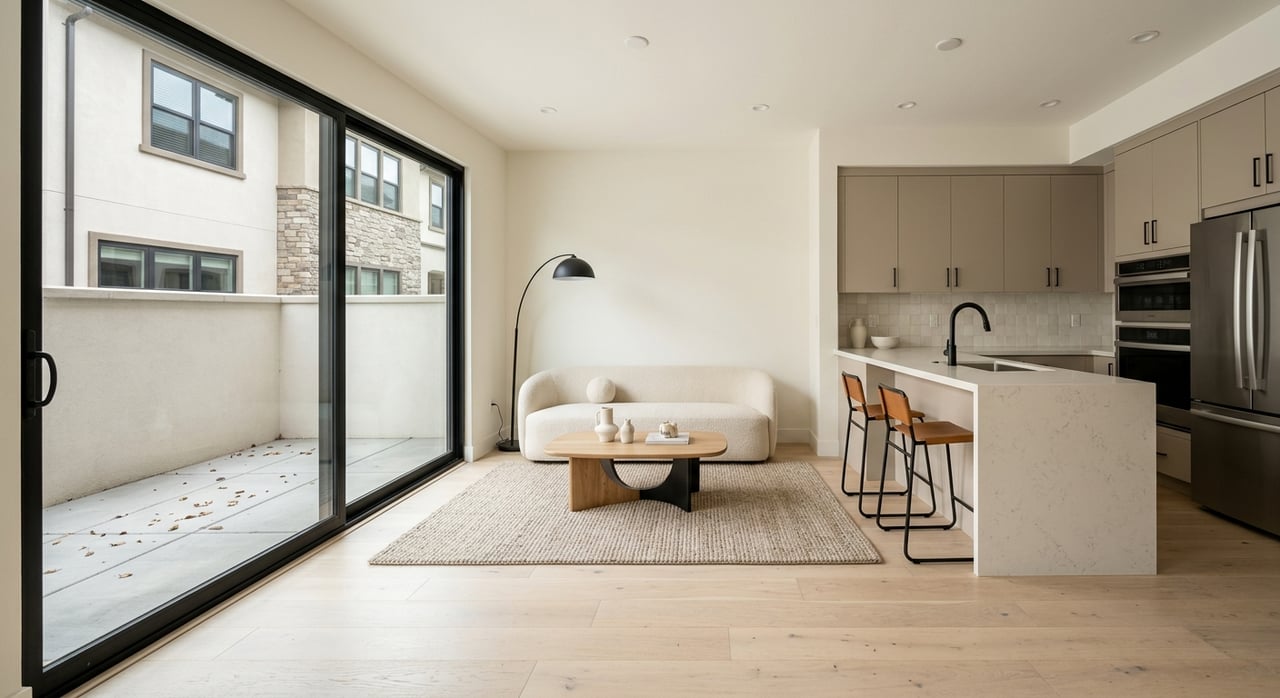
These steps matter because photos play a major role in buyer interest. In NAR’s 2025 staging survey, 17% of buyers’ agents said staging increased perceived value by 1% to 5%, and 30% of sellers’ agents reported slight reductions in time on market.
The most commonly staged rooms were:
- Living room
- Primary bedroom
- Dining room
- Kitchen
If you are moving up, presentation can have a double benefit. A stronger listing may support better sale terms on your current home while also helping you step into your next purchase with more confidence.
Gather documents before you list
One of the simplest ways to reduce stress is to organize key information before your home hits the market. That is especially useful in a community like Highlands Ranch, where district or HOA-related documents may matter.
Start by gathering:
- Warranties and guarantees for systems or appliances staying with the home
- User manuals for those systems or appliances
- HOA or community documents that apply to your property
- A recent mortgage payoff estimate
- Notes on updates, repairs, or replacements you have made
NAR also advises sellers to ask their listing agent for a market analysis, pricing strategy, MLS exposure plan, and negotiation approach. For move-up sellers, that conversation should also include how your sale timeline connects to your next purchase.
Coordinate closing dates carefully
Closing day is the formal legal transfer of your property. According to Freddie Mac, this is when sale proceeds are delivered and any mortgage tied to the property is paid off.
Before that happens, the buyer may complete a final walk-through about 24 hours before closing to confirm the home is vacant and in the agreed condition. If something is off, closing can be delayed or funds may be requested to address the issue.
This is why move-out planning matters just as much as pricing and negotiation. If you are trying to line up two transactions at once, your lender and your agent should map the dates before you list or before you make an offer on the next property.
A simple move-up seller checklist
If you want a practical way to think about the process, start here:
- Review your equity and likely net proceeds.
- Compare lending options and request Loan Estimates from at least three lenders.
- Build a realistic affordability plan that includes taxes, insurance, repairs, and any HOA dues.
- Choose your timing path: sell first, buy first, or close concurrently.
- Prepare your home for photos, showings, and inspections.
- Gather warranties, manuals, and community documents.
- Review contingency strategies for both your sale and your purchase.
- Coordinate the calendar for listing, offer timing, closing, and move-out.
Final thoughts on moving up in Highlands Ranch
A move-up sale in Highlands Ranch can be a smart next step, but the best results usually come from good planning, not guesswork. When you understand your timing options, financing tools, carrying costs, contract terms, and local community details, you can make decisions with much more clarity.
If you are thinking about selling your current home and buying your next one, The Real Estate Experts of Denver can help you build a strategy around timing, presentation, pricing, and negotiation so your move feels organized from the start.
FAQs
What is the best timing strategy for a move-up seller in Highlands Ranch?
- The best strategy depends on your finances, risk tolerance, and housing timeline. Many sellers choose to sell first for more clarity, while others buy first or coordinate both closings if they need more flexibility.
How long does it take to sell a home in Highlands Ranch?
- Recent market data suggests homes in Highlands Ranch are still selling in a competitive environment, but not as fast as in the peak pandemic years. Redfin reported a median 41 days on market in February 2026, while Zillow reported 47 days to pending as of January 31, 2026.
What contingencies matter most for Highlands Ranch move-up sellers?
- Common contingencies include financing, appraisal, inspection, home sale, home close, title, homeowners insurance, and HOA review. In Highlands Ranch, HOA review can be especially important because many homes are tied to community governance and related documents.
How should Highlands Ranch sellers prepare a home before listing?
- Focus on cleaning, decluttering, curb appeal, and addressing visible maintenance items. Gathering repair estimates for larger issues and improving the home’s presentation for photos can also support a smoother sale.
What costs should move-up buyers and sellers budget for in Highlands Ranch?
- In addition to your mortgage, budget for property taxes, insurance, repairs, HOA dues if applicable, and closing costs. The CFPB says closing costs typically range from 2% to 5% of the purchase price, excluding the down payment.