Choosing between Highlands Ranch and Parker can feel harder than it looks. Both are popular south metro suburbs with strong housing demand, outdoor access, and plenty to offer day to day. If you are trying to decide which one fits your lifestyle better, this guide will help you compare the feel, housing, recreation, and commute patterns so you can narrow your search with confidence. Let’s dive in.
Highlands Ranch vs Parker at a Glance
Highlands Ranch and Parker share a lot of suburban strengths, but they do not feel exactly the same once you spend time in each community. The biggest difference is structure.
Highlands Ranch is a large, master-planned community in Douglas County that is nearly complete, spans 22,000 acres, and includes about 31,510 homes. The community also states that 61% of its land is devoted to non-urban uses like open space and recreation, which helps explain its amenity-rich and highly planned feel.
Parker is an incorporated town with a different identity. Its official branding leans into a historic downtown, year-round events, arts and culture, and a small-town atmosphere with a strong civic center.
Community Feel and Daily Lifestyle
Highlands Ranch feels planned and amenity-driven
If you like the idea of a community where recreation, trails, and neighborhood infrastructure are built into everyday life, Highlands Ranch often stands out. The area is shaped by a large-scale planned framework, and that comes through in how amenities are organized and maintained.
According to the Highlands Ranch Community Association, residents have access to more than 2,000 acres of open space, 70 miles of paved and natural trails, 16 local parks, three community parks, one regional park, and four full-scale recreation centers. That creates a lifestyle that feels active, organized, and centered around neighborhood amenities rather than a downtown core.
Parker feels town-centered and event-oriented
Parker offers a more traditional town identity. The town highlights its historic downtown, community events, arts and culture offerings, parks, trails, and open space as central parts of daily life.
That gives Parker a different rhythm. Instead of feeling centered on a master-planned amenity system, it often feels more tied to Mainstreet, local events, public gathering spaces, and a civic downtown environment. The town’s downtown parking setup also reflects that short-visit, shop-and-stroll style of core area.
Parks, Trails, and Recreation
Highlands Ranch offers a larger amenity package
For buyers who put recreation high on the list, Highlands Ranch has one of the biggest built-in offerings in the south metro area. In addition to its park and trail network, HRCA operates four recreation centers totaling more than 329,000 square feet.
The community also includes the Backcountry Wilderness Area, an 8,200-acre conservation area with 26 miles of scenic trails. If you want a suburb where trail access, recreation centers, and managed open space are all part of the lifestyle, Highlands Ranch has a clear edge in overall scale.
Parker offers open space plus a downtown vibe
Parker’s recreation system is smaller in acreage, but it is still substantial. The town maintains 14 parks, 41 miles of trails, and 1,144 acres of open space, according to its official community materials.
Parker Parks and Trails also highlights amenities like the Cherry Creek Trail network, the East/West Regional Trail connection, Discovery Park’s seasonal Parker Ice Trail, and Challenger Regional Park. If you want outdoor access without giving up a more traditional town-center setting, Parker can strike that balance well.
Housing Options and Neighborhood Patterns
Highlands Ranch offers more housing variety
One of the practical differences between these two communities is housing mix. Highlands Ranch tends to offer a broader range of home types inside its planned framework.
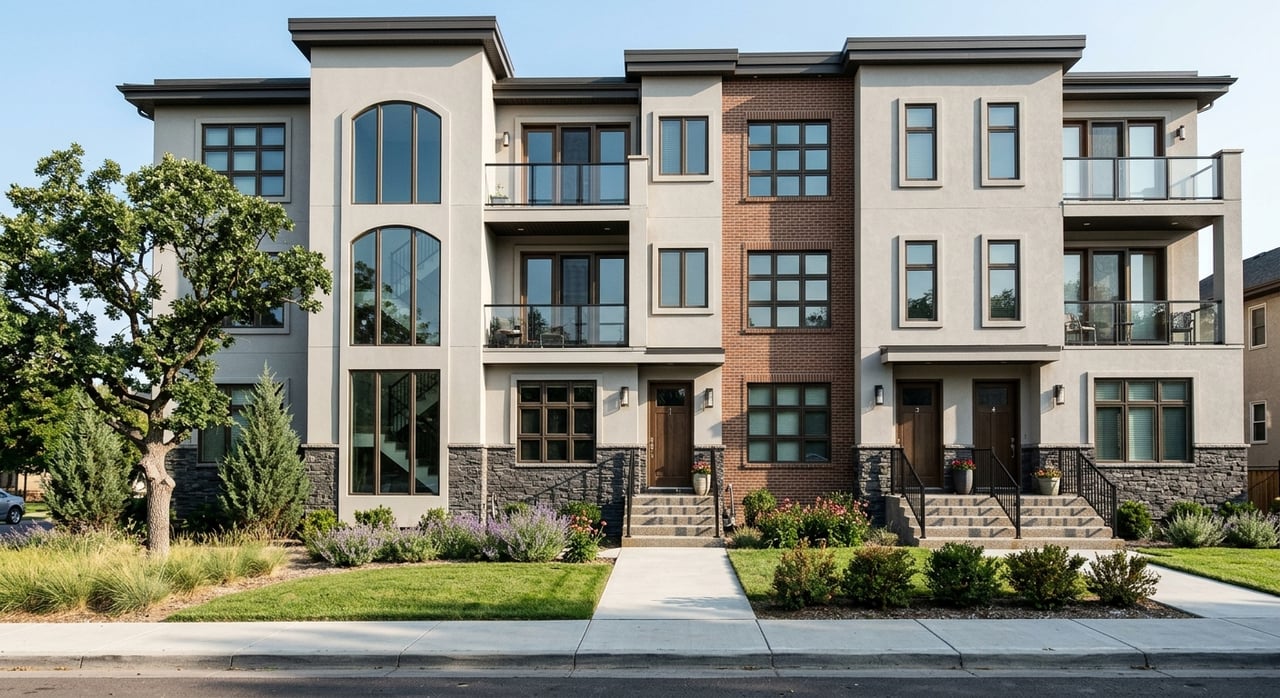
HRCA says homes in Highlands Ranch range from the low $200,000s to more than $1 million, and the broader planning structure allows for detached homes, attached homes, condominiums, and some higher-density residential areas. That variety can be helpful if you want flexibility across price points, home sizes, or maintenance levels.
Parker leans more single-family detached
Parker has historically had a more detached-home-heavy housing stock. The town’s Parker 2035 Master Plan notes that the housing inventory was still about 75% single-family detached, with apartments added mainly near downtown and along the E-470 corridor.
In simple terms, Parker may appeal more if you want a suburb that still reads primarily as a detached-home community. Highlands Ranch may appeal more if you want a wider mix of detached, attached, and custom-home options within a mature planned setting.
Home Prices and Market Pace
Both Highlands Ranch and Parker remain competitive markets. Based on the market data provided in the research report, Highlands Ranch had a median sale price of $685,000 in March 2026, while Parker had a median sale price of $657,500.
Homes also moved quickly in both places. Highlands Ranch homes sold in about 13 days, while Parker homes sold in about 15 days. That means Parker was slightly lower on median sale price during that period, but neither market could be described as slow.
Commuting and Transportation
Highlands Ranch is corridor-driven
Highlands Ranch is closely tied to the US-85 and C-470 corridor. Douglas County notes that it completed major US-85 widening and safety improvements from Highlands Ranch Parkway to north of C-470, and HRCA points to convenient access to downtown Denver, the Denver Tech Center, and Park Meadows.
That suggests a commute pattern that is still largely car-based, though destination access is one of the area’s strengths. For some buyers, that convenience to major employment and shopping hubs is a major plus.
Highlands Ranch has limited transit support
Highlands Ranch does have a few transit tools. RTD lists the Highlands Ranch Town Center Park-n-Ride with free parking and routes 0B and 402L.
Douglas County’s Link On Demand also serves Highlands Ranch as a free on-demand ride option. If you want some transit support without relying on it for every trip, that setup may be enough.
Parker offers more explicit transit options
Parker’s public transportation system is more clearly presented as multi-modal. The town states that most of Parker is within RTD service, with Route PD to downtown Denver, Route 483 to the Lincoln and Nine Mile light rail stations, Park-n-Rides, Parker FlexRide, and Link On Demand service beginning in Parker on April 8, 2026.
Even so, many everyday trips are still likely road-based because of how the town’s major arterials structure movement. For buyers comparing the two, Parker may have the more visible transit menu, while Highlands Ranch may feel more directly tied to major commuter corridors.
Which Lifestyle Fits You Best?
Choose Highlands Ranch if you want:
- A large master-planned community
- Extensive recreation-center access
- More managed amenities and organized open space
- A bigger trail and park system
- More variety in housing types
Choose Parker if you want:
- A stronger downtown identity
- Community events, arts, and town-centered gathering spaces
- A suburb that still feels more small-town in character
- A housing stock that leans more single-family detached
- Slightly lower median pricing based on the latest data provided
The Bottom Line
If you are deciding between Highlands Ranch and Parker, the best choice comes down to how you want your suburb to feel. Highlands Ranch is more master-planned, amenity-rich, and structured around recreation centers, trail systems, and a highly organized community layout. Parker is more town-centered, with a historic downtown, public events, and a suburban lifestyle that feels a little more rooted in Mainstreet and civic gathering spaces.
Both communities are active, competitive, and popular for good reason. If you want help comparing neighborhoods, home styles, or current listings in either area, the team at The Real Estate Experts of Denver can help you find the right fit and schedule a free consultation.
FAQs
What is the main lifestyle difference between Highlands Ranch and Parker?
- Highlands Ranch is generally more master-planned and amenity-managed, while Parker is more centered around its downtown, local events, and town identity.
Is Highlands Ranch or Parker more affordable based on recent market data?
- Based on the research report’s March 2026 figures, Parker had a slightly lower median sale price at $657,500 compared with $685,000 in Highlands Ranch.
Does Highlands Ranch or Parker have more recreation amenities?
- Highlands Ranch has the larger overall amenity package, including more than 2,000 acres of open space, 70 miles of trails, and four recreation centers.
Is Parker or Highlands Ranch better for buyers who want a downtown feel?
- Parker is the better fit if you want a more defined downtown environment with events, arts, and a town-center atmosphere.
Does Highlands Ranch or Parker offer more housing variety?
- Highlands Ranch offers a broader mix of detached, attached, condominium, and custom-home options within its planned community framework.