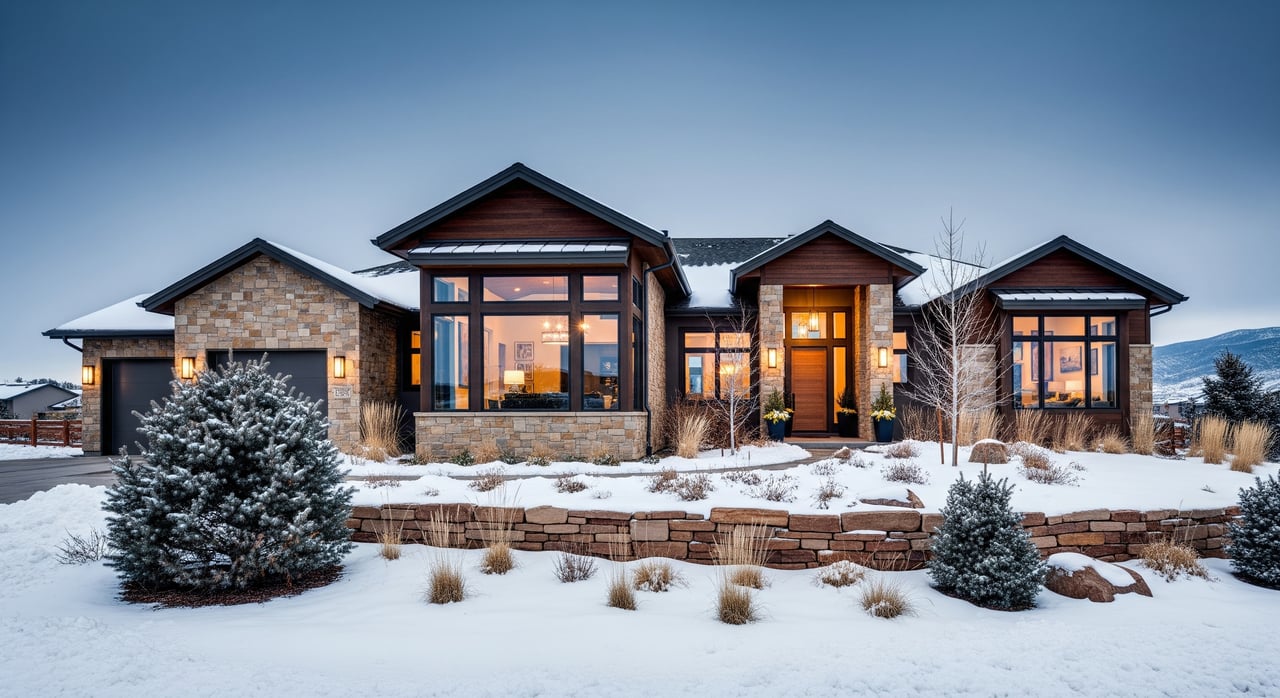
Is winter the right time to sell your Highlands Ranch home? If you’re weighing timing, price, and how fast you want to move, you’re not alone. Winter brings fewer listings, but buyers who are out looking are often motivated. In this guide, you’ll learn how to estimate your likely sale price, how winter shifts strategy, and what steps help you net more. Let’s dive in.
Highlands Ranch winter snapshot: what to watch
Before you set a price, review a few key indicators for Highlands Ranch over the last 30 to 90 days:
- Median sale price by property type (single-family vs. townhome/condo).
- Active and new listings, pending and closed sales, and months of inventory.
- Average and median days on market and the list-to-sale price ratio.
- Median price per square foot for similar homes in your neighborhood.
Use local, recent data first. Reliable sources include REcolorado (local MLS), Denver Metro Association of REALTORS market trends, the Douglas County Assessor and Recorder, and the Colorado Association of REALTORS. Aim for the most recent monthly snapshot and compare it with the prior two months to see direction.
What drives value in Highlands Ranch
Your likely sale price depends on how buyers value specific features in Highlands Ranch. The biggest drivers are:
- Location and convenience: proximity to major roads, light rail, shopping, parks, and trail systems.
- Home size and layout: finished square footage, bathroom count, and whether there’s a finished basement.
- Kitchen and bath updates: modern finishes and well-maintained systems often draw stronger offers.
- Energy and systems: newer HVAC, water heater, insulation, smart thermostats, and owned solar.
- Garage and storage: two-car garages are common; extra storage can set you apart.
- Lot and setting: privacy, yard size, landscaping, and foothill views can influence price perception.
Many neighborhoods include HOA amenities like pools, trails, and community centers. Typical HOA fees and what they include can affect affordability and buyer interest for both single-family homes and townhomes/condos.
How winter affects your sale
Winter usually means fewer new listings, which reduces competition. While overall buyer traffic can be lower, the buyers who are shopping now often have clear timelines. If your home is accurately priced and well presented, you can still achieve near-market results.
Be aware of a few seasonal realities:
- Appraisals rely on comparable sales. If winter comps are sparse, appraisal risk can rise.
- Cold weather can highlight inspection items like roof, insulation, and heating performance.
- Shorter daylight hours make lighting and photography more important for online exposure.
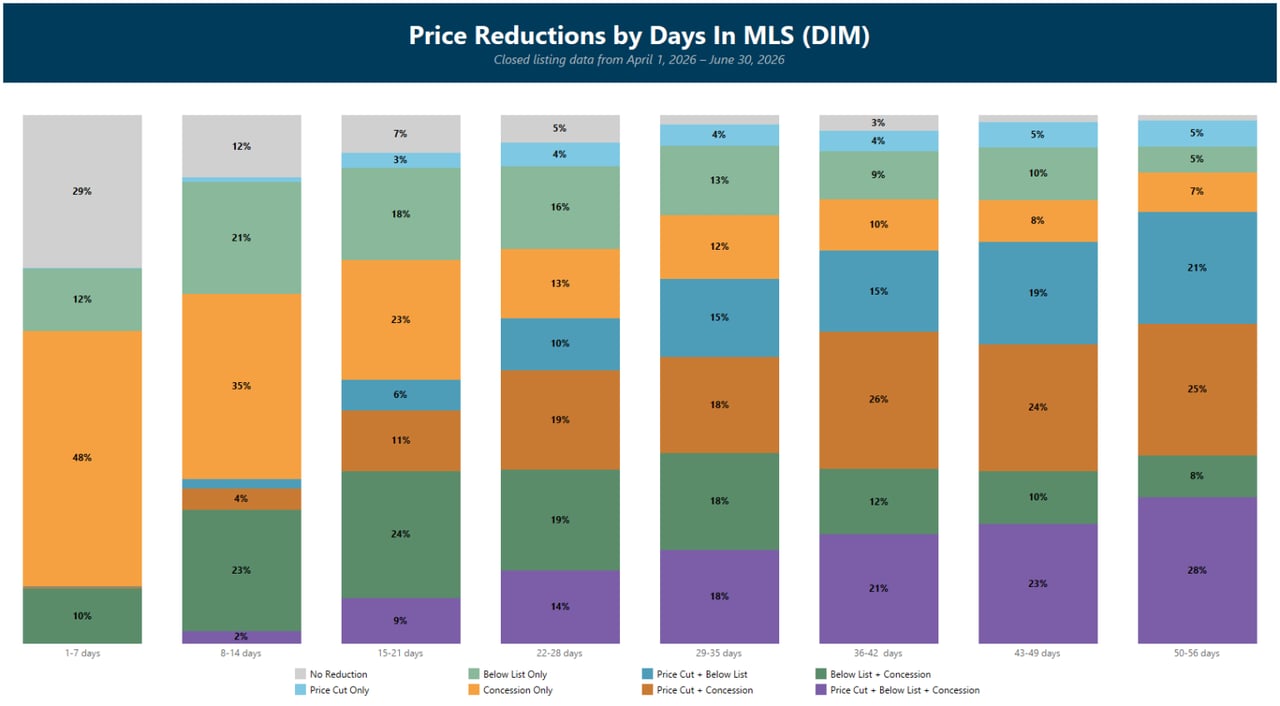
If demand softens or financing costs rise, buyers may ask for concessions like closing-cost help or temporary rate buydowns. You can plan for this in your pricing strategy from the start.
Estimate what your home could sell for
Use a simple framework to set a confident price range for winter:
1) Start with comparable sales
- Select 3 to 6 closed sales from the last 3 to 6 months within about a mile, matching property type, age band, lot type, bed/bath count, finished square footage, and parking.
- Adjust for major differences: square footage, additional baths, finished basement area, significant upgrades, lot size, views, and whether HOA amenities are included.
- Prioritize closed sales over active listings. They reflect what buyers actually paid.
2) Cross-check with price per square foot
- Find the median price per square foot for similar homes in your neighborhood.
- Multiply by your finished living area and adjust for condition, lot, and upgrades.
- This method works best for typical homes; rely more on comp adjustments for unique properties.
3) Apply a market adjustment
- If local data shows prices trending up or down since your comps closed, apply a time adjustment reflecting current momentum.
- Use days on market and list-to-sale ratios to set expectations for negotiation room and potential concessions.
4) Choose a pricing band
Offer yourself a band, not a single number, so you can trade speed for price based on your goals:
- Aggressive: slightly below the weighted comp average to drive strong showings and target a faster sale.
- Market: aligns closely with the comp-supported value; expect typical showing activity and negotiation.
- Stretch: above comp-supported value; may require longer time on market and possible reductions if traffic is light.
Actions that boost winter results
The right prep and presentation can materially improve your net.
- Pre-list inspection: a few hundred dollars can surface issues before they surface in negotiations.
- Quick fixes and maintenance: HVAC tune-up, roof touch-ups, gutter cleaning, caulking, and addressing minor repairs.
- Staging and light refresh: fresh paint in key rooms, updated lighting, hardware swaps, and decluttering help photos pop.
- Professional media: high-quality interior photography, floor plans, and winter-friendly lighting. Consider dusk exterior shots.
- Showing strategy: keep walkways clear of snow and ice, brighten rooms, and offer flexible showing windows when possible.
- Smart incentives: be ready to consider closing-cost help, a short-term rate buydown, a home warranty, or appliance inclusions if buyer demand softens.
Costs, timeline, and Colorado disclosures
Plan your net proceeds with a clear view of typical seller costs and required documents:
- Disclosures: complete Colorado’s Seller’s Property Disclosure and, for pre-1978 homes, the Lead-Based Paint disclosure. If there is an HOA, provide the resale certificate/estoppel documents.
- Closing costs: expect prorated property taxes, title and closing fees, payoff of any mortgages, HOA transfer or resale fees, and any negotiated concessions. Real estate commission is negotiable.
- Appraisal and lending: appraisers may use older comps in winter, which can increase the chance of value gaps. Discuss strategies early if you anticipate this risk.
- Timeline: plan for the typical contract-to-close period in our market, then add a buffer for winter logistics and holidays. Ask your agent or title company for a local estimate.
Request a detailed net sheet from a local title company or your listing agent so you can compare different list prices, concession scenarios, and timelines.
Your next steps
- Gather key info: permits for recent work, service records for roof and HVAC, utility summaries, and HOA documents.
- Get a data-backed CMA: use 3 to 6 recent, nearby comps and confirm price-per-square-foot ranges for your property type.
- Decide your pricing band: aggressive, market, or stretch, based on your timing and risk tolerance.
- Prep your home: complete minor repairs, declutter, and stage for bright, warm winter photos.
- Align your marketing plan: professional media, compelling listing copy, and flexible showings.
Ready to see what your Highlands Ranch home could sell for this winter? Schedule a free, no-pressure consultation and a detailed CMA tailored to your property.
Reach out to Unknown Company to schedule a free consultation.
FAQs
Will I get less if I sell in winter in Highlands Ranch?
- Not necessarily. Winter often brings fewer listings, which reduces competition. Buyers may be fewer but more motivated. Your result depends on pricing, presentation, and current local supply and demand.
How should I price my Highlands Ranch home for a winter sale?
- Use 3 to 6 recent nearby comps, confirm price-per-square-foot for your property type, adjust for upgrades and lot, and apply a current market trend adjustment before selecting a pricing band.
What winter prep delivers the best ROI before listing?
- Focus on high-impact, low-cost items: fresh paint, lighting updates, deep cleaning, staging, HVAC service, and small repairs that show buyers the home is well cared for.
What disclosures are required for Colorado sellers?
- Complete the Colorado Seller’s Property Disclosure, provide a Lead-Based Paint disclosure for homes built before 1978, and share HOA documents like the resale certificate when applicable.
What closing costs should I expect as a Highlands Ranch seller?
- Typical costs include prorated property taxes, title and closing fees, payoff of any loans, HOA transfer or resale fees, real estate commission (negotiable), and any agreed concessions. Ask for a net sheet to see your bottom line.