Buying your first home in Aurora can feel exciting, intimidating, and a little overwhelming all at once. You are likely trying to balance your budget, understand loan options, and figure out how competitive the local market really is. The good news is that with the right plan, the path from online search to closing day becomes much easier to manage. Here is what you need to know before you start.
Understand Aurora’s housing options
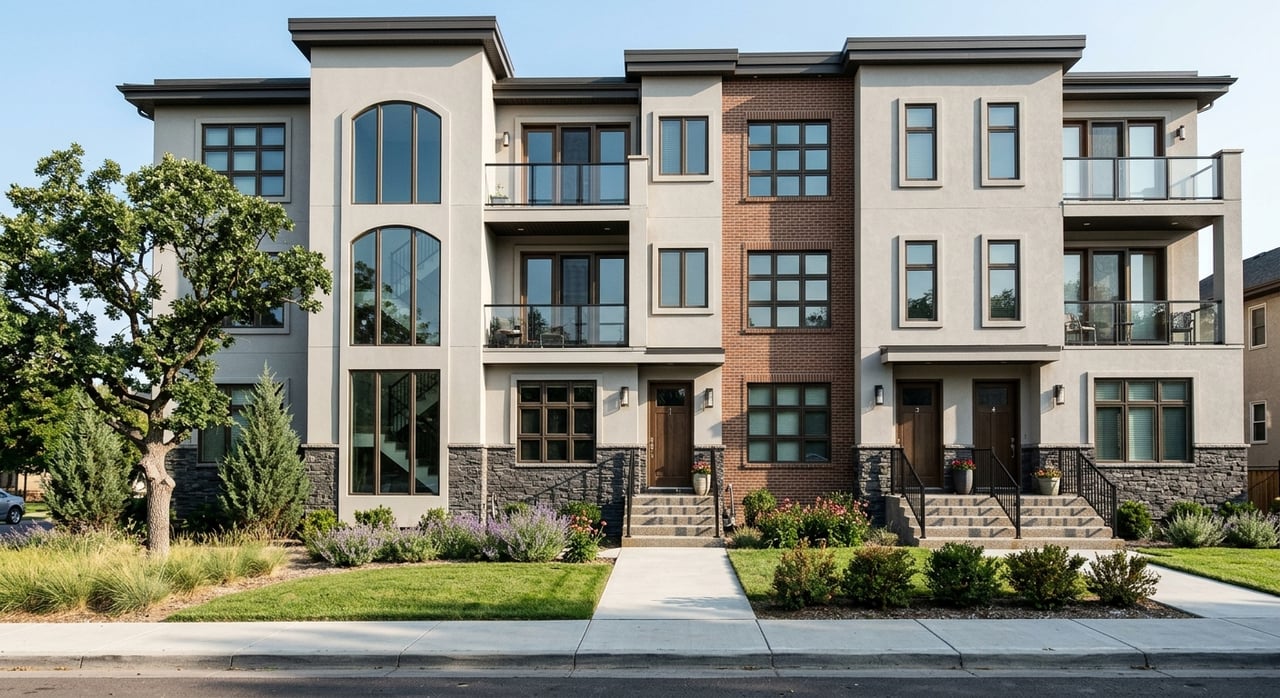
Aurora gives first-time buyers a wide range of housing choices, which can be helpful if you are still narrowing down your needs and budget. According to the City of Aurora housing and occupancy data, the local housing stock includes single-family detached homes, attached homes, multifamily properties, and mobile homes.
Single-family detached homes make up the largest share of Aurora’s housing stock at 52.6%. The city also has a meaningful share of attached and multifamily homes, which can create more options for buyers who want a lower price point or a different maintenance setup. That variety is one reason Aurora appeals to so many first-time buyers.
Aurora also spans Arapahoe, Adams, and Douglas counties, and the city says residents are served by four school districts. Because of that, it is smart to verify county, district, and service details for any property you seriously consider through the City of Aurora’s community information.
Know what the market looks like
Before you start touring homes, it helps to understand the pace of the market. In Aurora, recent data shows a market that is active but not impossible for first-time buyers to navigate with the right strategy.
Redfin’s Aurora housing market data shows a median sale price of $450,000 in February 2026, homes selling in about 52 days, and a 98.5% sale-to-list ratio. The Colorado Association of REALTORS® and REcolorado December 2025 year-to-date report showed a median sales price of $525,000 for single-family homes and $325,000 for townhouse and condo properties, with days on market at 49 and 58 respectively.
What does that mean for you? In plain terms, Aurora still gives buyers choices, but you should not expect steep discounts on every listing. Some homes also receive multiple offers, so your offer terms, financing readiness, and timeline can matter just as much as price.
Start with your real budget
One of the biggest mistakes first-time buyers make is focusing only on the mortgage payment. Your total monthly housing cost is usually broader than that.
The Consumer Financial Protection Bureau says lenders may look at your income, assets, employment, savings, debts, credit report, and credit score when deciding whether you can repay a loan. The CFPB also notes that your ongoing housing costs can include principal and interest, mortgage insurance, property taxes, homeowner’s insurance, HOA fees, maintenance, and utilities.
That last point matters a lot in Aurora because the city has a substantial mix of attached and multifamily homes. If you are comparing a condo, townhome, and detached house, look at the total monthly payment, not just the list price.
According to the CFPB, condo fees and HOA dues are usually paid separately from the mortgage and can range from a few hundred dollars a month to more than $1,000. A lower-priced home with higher dues may not actually be the better fit for your budget.
Get preapproved when you are ready
Once you know your target price range, the next step is preapproval. This helps you understand what a lender may be willing to loan you and shows sellers that you are serious.
The CFPB explains that a preapproval letter is a tentative lending statement, not a guaranteed loan. It also notes that preapproval letters often expire within 30 to 60 days, so it is best to get one when you are ready to shop seriously.
In many cases, sellers expect buyers to submit a preapproval letter with an offer. If you wait too long to speak with a lender, you could lose time when the right home hits the market.
Explore Aurora down payment help
If saving for upfront costs feels like the hardest part of buying, Aurora may offer meaningful assistance. The city currently has a down payment assistance program for qualifying buyers purchasing a home in Aurora.
According to the city, the program can cover 4% to 10% of the purchase price through a silent second loan with no monthly payment. Eligible households can earn up to 120% of area median income, which Aurora says is up to $168,120 for a family of four. The program is available through Oct. 31, 2026, or until funding runs out.
You may also want to look into homebuyer education early. CHFA homeownership resources explain that homebuyer education is required for CHFA borrowers and is available through approved providers in English and Spanish. Aurora also offers monthly homebuyer seminars in English and Spanish, and completion provides a certificate that many assistance programs require.
Loan guidelines, payment amounts, and eligibility can vary based on the borrower, property, and lender. For that reason, it is wise to confirm current program rules and exact monthly payment scenarios directly with a lender.
Search smarter, not wider
Once your financing is taking shape, your home search can become more focused. This is where many first-time buyers save time by narrowing their non-negotiables before they start touring everything online.
The CFPB recommends shopping for homes and loan options at the same time, staying within your budget, and working with an agent who understands your preferred area, price range, and property type. Interest rates can change daily, so the home you can afford today may not be the same a month from now.
A smart search usually starts with questions like these:
- Do you want a detached home, townhome, or condo?
- What monthly payment feels comfortable, including taxes, insurance, and dues?
- How much work are you willing to take on after move-in?
- Which property features matter most to your day-to-day life?
- How flexible are you on size, layout, or lot type?
Clear priorities help you move faster when a home fits.
Tour homes with a plan
Touring homes is where your online search becomes real. It is also where first-time buyers can get distracted by finishes and miss important details.
As you walk through homes, pay attention to layout, condition, storage, natural light, and signs of deferred maintenance. If you are looking at attached homes or condos, ask for details that affect your ownership costs, including HOA dues and any property-specific rules or obligations.
Since Aurora includes homes across multiple counties and service areas, it is also smart to verify property-specific details early. That keeps you from making decisions based on assumptions that may not apply to a specific address.
Write an offer that protects you
When you find the right home, your offer should balance competitiveness with protection. In Aurora’s market, sale-to-list ratios near full asking price suggest you should be realistic, especially on well-priced homes.
The CFPB advises buyers to make offers contingent on financing and a satisfactory inspection. These contingencies help protect you if your loan does not come through or if the inspection uncovers major issues.
This is especially important for first-time buyers. A strong offer does not have to mean giving up safeguards that could protect your finances.
Handle inspection and appraisal carefully
Once you are under contract, the process speeds up. Two important steps usually come next: the inspection and the appraisal.
The CFPB says to schedule an independent home inspection as soon as possible. It also explains that the inspection is different from the appraisal. The appraisal is generally required by the lender, while the inspection is for your protection as the buyer.
If the inspection reveals needed repairs, you may be able to negotiate repairs or a credit from the seller. The CFPB notes that the seller may or may not agree, depending on the contract terms and market conditions.
Prepare for closing costs and final steps
As closing gets closer, your attention shifts from house hunting to details. This is the stage where organization really matters.
The CFPB says closing costs usually range from 2% to 5% of the purchase price, not including your down payment. The final amount can vary based on the home, loan type, location, down payment, and lender charges.
The agency also recommends researching closing-service providers early, such as title insurance and settlement services, because things can move quickly once you are under contract. As you approach signing day, you will also review official loan offers, finalize homeowner’s insurance, and confirm closing logistics through the parties involved in your transaction.
From search to keys
Buying your first home in Aurora is not about knowing every answer on day one. It is about taking the steps in the right order, using current local data, and getting clear guidance as you go.
Aurora offers a diverse housing mix, active market conditions, and potential down payment help for qualified buyers. If you want a steady, informed approach from search to closing, the team at The Real Estate Experts of Denver can help you make sense of your options and take your next step with confidence.
FAQs
What is the average home price for first-time buyers in Aurora?
- Recent Aurora market data shows a median sale price of $450,000 in February 2026 according to Redfin, while year-to-date figures from late 2025 showed $325,000 for townhouse and condo properties and $525,000 for single-family homes.
Are there first-time buyer assistance programs in Aurora?
- Yes. Aurora currently offers a down payment assistance program for qualifying buyers purchasing a home in Aurora, with potential assistance equal to 4% to 10% of the purchase price and no monthly payment on the silent second loan.
How much should I budget for closing costs in Aurora?
- The CFPB says closing costs usually run about 2% to 5% of the purchase price, not including your down payment, though your final amount depends on the property, loan, location, and lender fees.
Do I need a preapproval letter to buy a home in Aurora?
- In many cases, yes. A preapproval letter shows sellers you are a serious buyer, but the CFPB notes that it is still a tentative lending statement and not a guaranteed loan.
Are HOA fees included in my Aurora mortgage payment?
- Usually not. The CFPB says condo and HOA dues are generally paid separately from the mortgage, so you should compare the full monthly cost of ownership when shopping for homes in Aurora.